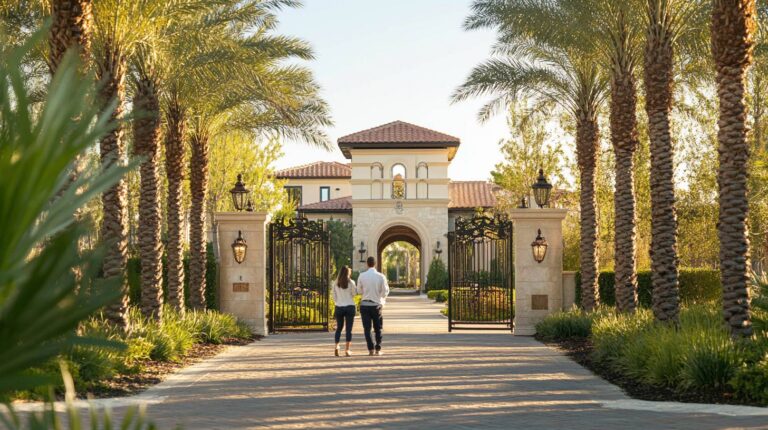

Beyond the Velvet Rope: 10 Membership Marketing Trends Reshaping Private City & Social Clubs in 2026 - Private Club Marketing

Beyond the Velvet Rope: 10 Membership Marketing Trends Reshaping Private City & Social Clubs in 2026

Picture of Editor

Editor

Private Club Marketing's editorial and research is conducted in conjunction with its advisory and development team.

Private city and social clubs are entering a new era defined by culture, community, and intentional belonging. This article explores private members club marketing trends shaping 2026, from third space design and creativity based vetting to wellness integration, global reciprocity, and privacy as luxury. Together, these shifts reveal how modern clubs are evolving beyond access into lifestyle brands built around identity, connection, and long term member value.

Join our Newsletter

A Strategic Guide by Private Club Marketing

Executive Summary

The private city and social club sector is experiencing a renaissance. From the global expansion of Soho House to the emergence of ultra-exclusive enclaves like Aman New York and Zero Bond, a new generation of members-only spaces is redefining what exclusivity means in 2026. These aren't your grandfather's wood-paneled gentlemen's clubs—they're dynamic ecosystems blending community, culture, wellness, and work into seamless lifestyle experiences.

This report identifies ten critical membership marketing trends shaping the future of private city and social clubs. From the rise of creativity-based vetting over net worth to the paradox of privacy-focused spaces that dominate social media, these trends reveal how modern clubs are capturing the post-pandemic hunger for meaningful connection and curated belonging.

Key Statistics:

  • Soho House membership grew from 155,800 (2021) to 271,500 (2024)—a 74% increase in three years
  • Club membership among Americans ages 18-29 has doubled since 2016
  • 28% of Americans claim active membership in a social, cultural, or hobby club
  • Initiation fees at ultra-premium clubs now range from $50,000 (Zero Bond) to $200,000 (Aman New York)
  • More than a third of new urban clubs are founded by women, BIPOC organizers, or LGBTQ+ individuals

Trend 1: The “Third Space” Revolution

The Data

The post-pandemic demand for “third spaces”—environments between home and work—has fundamentally reshaped the private club landscape. According to industry analysts, the surge in new club openings reflects this shift, driven by an investor-friendly commercial real estate market and growing demand for spaces where people can work, socialize, and belong.

Modern members don't want single-purpose venues. They want multifunctional spaces where they might spend the morning working, the afternoon at a wellness event, host a dinner conversation, and spend the evening dancing to live jazz on the rooftop. This blurring of boundaries—between personal and professional, local and global, social and soulful—defines the 2026 club experience.

Marketing Implications

  • Position as lifestyle ecosystem: Market the club as complete third space—work, wellness, dining, and social in one membership
  • Emphasize flexibility: Spaces that adapt to member needs throughout the day and week
  • Highlight the “home away from home” concept: Intimacy and warmth over grandeur and formality
  • Create destination appeal: Members should want to be at the club, not just have access to it

Trend 2: Creativity Over Net Worth—The New Vetting Paradigm

The Data

Soho House pioneered the model of prioritizing creativity “above net worth and job titles,” with what observers describe as “studied resistance to ostentation” and “cultivated status signifiers.” This approach has fundamentally shifted how modern social clubs evaluate prospective members, emphasizing cultural contribution and social influence over purely financial metrics.

The Ned NoMad, Casa Cipriani, and similar venues evaluate candidates based on professional achievements, cultural impact, and potential to enhance community character. This isn't just virtue signaling—it's strategic community curation. Clubs that attract interesting people attract more interesting people, creating a virtuous cycle of membership desirability.

Marketing Implications

  • Communicate values-based selection: Emphasize what you're looking for beyond financial qualification
  • Highlight member diversity: Showcase the range of industries, backgrounds, and creative pursuits represented
  • Create application narratives: Ask prospective members to articulate what they'll contribute, not just consume
  • Leverage referral requirements: Existing member sponsorship ensures cultural fit and community investment

Trend 3: Global Reciprocity Networks

The Data

The idea of having a “home-from-home” wherever you travel has spawned a significant trend: international club outposts. British clubs are planting roots in New York and Miami while American founders expand into Europe and the Middle East. Industry observers describe it as “a fascinating moment of cross-pollination” with “quiet momentum of convivial ecosystems forming.”

Soho House now operates 42+ locations worldwide. The Wild is opening in LA (from the team behind London's Arts Club). Maxime's is launching in New York. New concepts are emerging in Sydney, Singapore, and beyond. For globally mobile members, reciprocal access across cities has become a primary membership value driver.

Marketing Implications

  • Develop reciprocal partnerships: Establish relationships with aligned clubs in key markets
  • Market global access: Highlight travel benefits and international community
  • Target frequent travelers: Remote executives, entrepreneurs, and creative professionals who live across cities
  • Create “Cities Without Houses” options: Membership tiers that connect members in markets without physical locations

Trend 4: The Young Professional Pipeline

The Data

Club membership among Americans ages 18-29 has doubled since 2016. Soho House's “Under 27” membership tier has proven transformative, increasing generational diversity while creating a pipeline of members who age into full-rate categories. Casa Cipriani offers reduced rates for members under 30 ($2,500 annually vs. $3,900).

This isn't charity—it's strategic. Young professionals today are tomorrow's high-net-worth members. Clubs that capture them early build decades of loyalty and lifetime value. The key is creating meaningful entry points that don't dilute the membership experience or brand positioning.

Marketing Implications

  • Create age-based membership tiers: Under-30 or Under-35 categories with reduced initiation and dues
  • Design young professional programming: Networking events, career development, and peer community building
  • Maintain quality standards: Reduced rates shouldn't mean reduced vetting—creative contribution still matters
  • Build automatic conversion paths: Seamless transition to full membership as members age out of young professional tiers

Trend 5: The Privacy Paradox

The Data

Casa Cipriani became infamous when a leaked photo of Taylor Swift cost several members their privileges. Soho House maintains strict no-photography policies. Yet these privacy-focused spaces dominate social media conversation and attract members precisely because of their exclusivity mystique. This is the privacy paradox: the most desirable clubs are those you can't photograph, creating scarcity that drives demand.

Privacy has become a luxury amenity. In an era of constant connectivity and surveillance, spaces where phones are discouraged (or banned), where celebrities can dine unrecognized, and where members can exist without documentation represent genuine differentiation. The allure of privacy amplifies when contrasted with ubiquitous social sharing.

Marketing Implications

  • Establish and enforce privacy policies: No-phone zones, photography restrictions, and confidentiality expectations
  • Market privacy as feature: Position disconnection and discretion as membership benefits
  • Create controlled content: Official photography and video that showcases without exposing
  • Leverage scarcity psychology: What can't be shared becomes more valuable and talked about

Trend 6: Wellness as Membership Pillar

The Data

Wellness trends are infiltrating every facet of private club life. Luxury gyms, hotels, and clinics are expanding to include lifestyle options (Heimat, Bodyism, The Lanesborough Club & Spa), while members' clubs are expanding to include wellness (Lanserhof at The Arts Club, Mortimer House, Cloud Twelve). The boundary between wellness destination and social club has blurred.

Aman New York exemplifies the premium end, offering a three-floor spa with cryotherapy chambers to members paying $200,000 initiation fees. But wellness integration spans the spectrum—from meditation rooms and fitness studios at mid-tier clubs to comprehensive longevity programming at ultra-premium venues.

Marketing Implications

  • Integrate wellness amenities: Fitness facilities, spa services, and wellness programming as standard offerings
  • Partner with wellness experts: Collaborate with practitioners, brands, and thought leaders
  • Create wellness-focused membership tiers: Options emphasizing health and longevity benefits
  • Position holistically: The club as contributor to overall life quality, not just social access

Trend 7: Cultural Programming as Differentiator

The Data

The best modern clubs are places that “attract communities who care deeply about something”—longevity, gastronomy, music, impact. The Conduit focuses on sustainability and social impact. House of Koko centers on music and performance. The National Arts Club has launched careers of numerous artists and writers. Cultural programming isn't peripheral—it's definitional.

This trend extends beyond traditional arts patronage. Clubs now host speaker series with industry leaders, curated dinners exploring specific themes, workshops on emerging technologies, and experiences that position members at the intersection of culture and commerce.

Marketing Implications

  • Define cultural identity: What does your club stand for beyond exclusivity?
  • Curate distinctive programming: Speaker series, artist residencies, performances, and experiences unique to your club
  • Attract passion communities: Members united by shared interests, not just demographics
  • Leverage cultural capital: Programming that generates PR, attracts media, and builds reputation

Trend 8: The Coworking Fusion

The Data

Soho House launched Soho Works in 2015—shared workspaces available to members for an additional $200-$700 monthly depending on location. Eight sites in London, New York, and Los Angeles provide opportunities for members to exchange business ideas and resources. NeueHouse pioneered the premium coworking model with its 80,000-square-foot hub designed by David Rockwell.

The blurring of hospitality, lifestyle, and work continues. Fashion houses are launching private clubs. Hotels are developing serious cultural programming. Workspaces are doubling as social sanctuaries. For remote workers and entrepreneurs, the club-as-office represents both practical utility and aspirational identity.

Marketing Implications

  • Develop work-ready spaces: Reliable WiFi, printing, private meeting rooms, and focus zones
  • Create work membership tiers: Daytime access packages for remote professionals
  • Target entrepreneurs and creatives: Those who blend work and life naturally
  • Position as productive luxury: Work environment that inspires rather than merely accommodates

Trend 9: Luxury Brand Collaborations

The Data

Bain & Company research indicates 71% of luxury consumers prefer brands that host exclusive events. Private clubs represent ideal venues for luxury brand activations—captive affluent audiences in controlled environments. The collaboration flows both ways: clubs gain programming content and brand association while partners access highly qualified prospects.

Soho Home, launched in 2016 as a “modern interiors brand designed for relaxed, sociable living,” exemplifies how clubs can extend brand into retail. The flagship store in Chelsea's Duke of York Square demonstrates that club aesthetic itself has commercial value beyond membership dues.

Marketing Implications

  • Develop partnership strategies: Identify luxury brands aligned with club values and member interests
  • Create exclusive activations: Product launches, tastings, and experiences available only to members
  • Maintain curatorial control: Partnerships should enhance, not commercialize, the member experience
  • Explore brand extension opportunities: Club aesthetic and lifestyle translated into products and experiences beyond membership

Trend 10: Design-Forward Identity

The Data

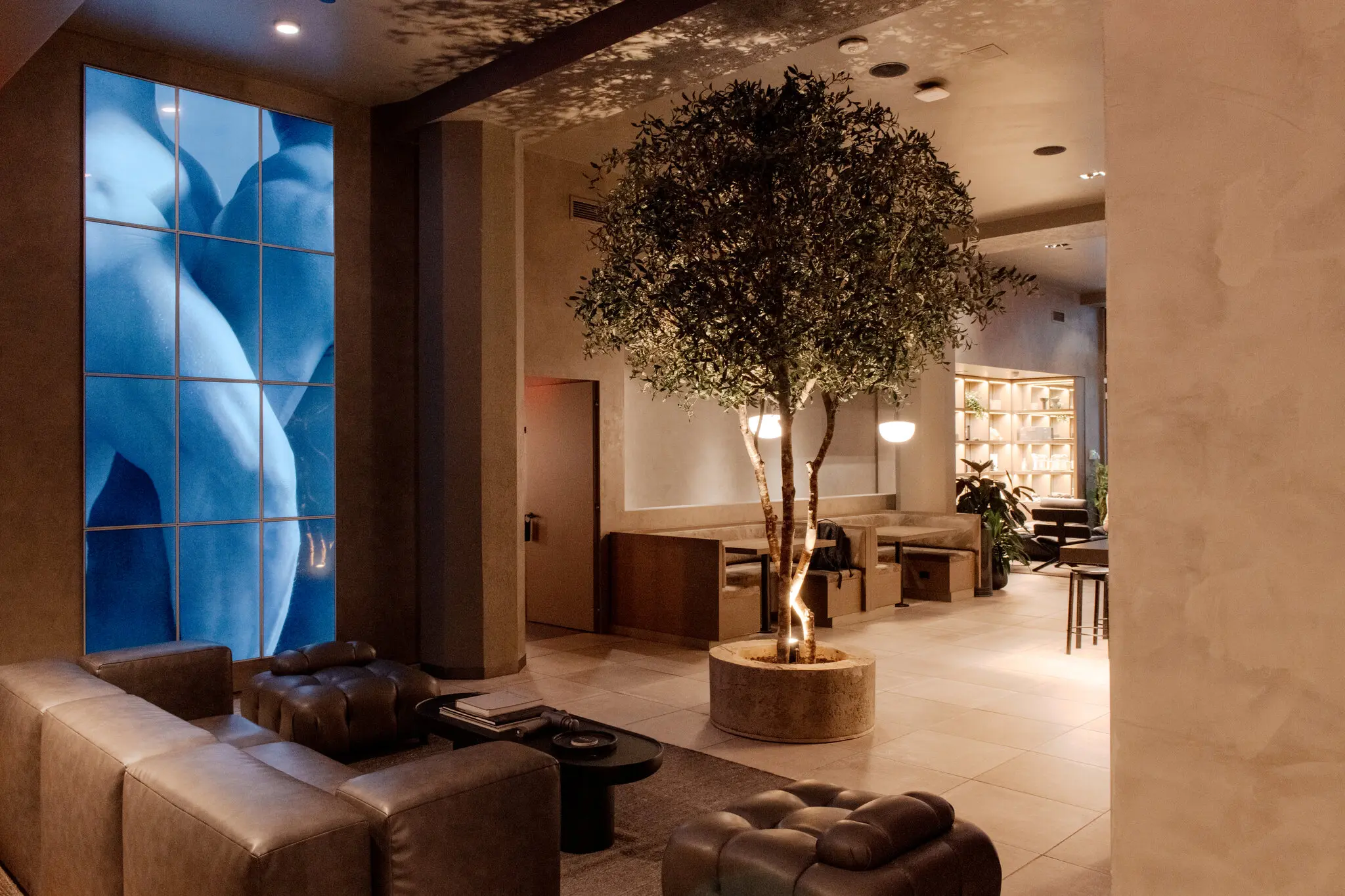
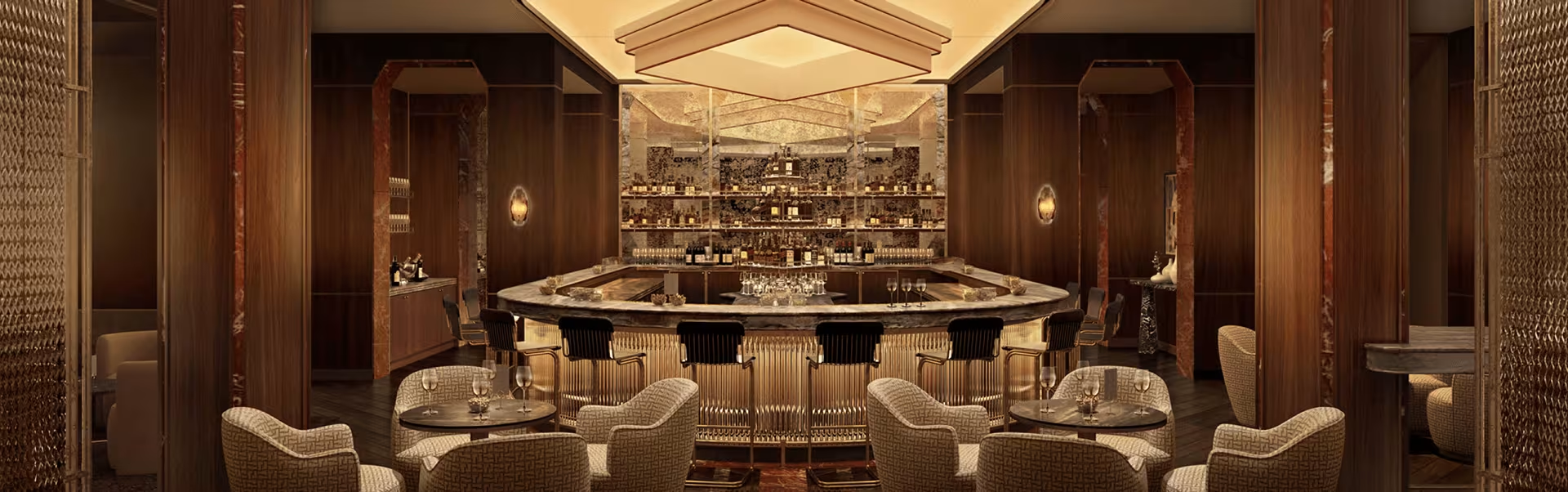
Physical environment contributes significantly to club appeal. Each Soho House location is designed to reflect its city, making every location unique while maintaining consistent atmosphere. The Ned NoMad preserves the Johnston Building's original 1903 character while incorporating contemporary luxury. Zero Bond's omakase bar and Aman's marble lobbies create spaces that function as status signifiers.

In 2025, members seek “intimacy over grandeur”—warmth, conviviality, and depth over formality and scale. The best clubs feel like a “second home, not a showroom.” Yet they must also be visually distinctive enough to communicate identity and justify premium positioning. This balance—between comfortable and impressive—defines successful club design.

Marketing Implications

  • Invest in distinctive design: Spaces that photograph beautifully while feeling genuinely welcoming
  • Create visual signatures: Design elements that become synonymous with club identity
  • Balance aesthetics with atmosphere: Beautiful spaces that feel lived-in, not museum-like
  • Adapt design to location: Honor local context while maintaining brand consistency

Strategic Recommendations for 2026

The private city and social club sector has never been more dynamic—or more competitive. The clubs that will thrive in 2026 are those that understand membership is no longer about access to a space but belonging to a community, participating in a culture, and expressing an identity.

Immediate Priorities

  • Define your cultural identity: What does your club stand for beyond exclusivity?
  • Evaluate membership tiers: Are you capturing young professionals? Creating pathways?
  • Assess third-space functionality: Can members work, wellness, dine, and socialize seamlessly?

Medium-Term Investments

  • Develop wellness programming: From basic fitness to comprehensive mind-body offerings
  • Build reciprocal relationships: Partnerships with aligned clubs for member travel benefits
  • Create signature cultural programming: Events and experiences that define club identity

Long-Term Vision

  • Build genuine community: Connections that transcend the club space itself
  • Cultivate values-aligned membership: Members who share philosophy, not just demographics
  • Position as lifestyle brand: Club identity that extends beyond physical membership

The future of private city and social clubs isn't about velvet ropes and exclusion—it's about curated belonging and intentional community. As one industry observer noted, members today seek “intimacy over grandeur” and places that feel like “a second home, not a showroom.” The clubs that deliver this—while maintaining the mystique and quality that justify premium membership—will define the next era of private club culture.

About Private Club Marketing

Private Club Marketing is a specialized agency serving luxury private clubs including golf, tennis, social, yacht, and wellness clubs. We combine deep industry expertise with data-driven marketing strategies to help clubs attract, engage, and retain high-net-worth members.

Our services include membership marketing strategy, content creation, brand development, digital marketing, and industry analysis. We work with clubs across North America to navigate the evolving private club landscape.

Learn more at PrivateClubMarketing.com

Sources & References

Beyond the Velvet Rope: 10 Membership Marketing Trends Reshaping Private City & Social Clubs in 2026

Private city and social clubs are entering a new era defined by culture, community, and intentional belonging. This article explores private members club marketing trends shaping 2026, from third space design and creativity based vetting to wellness integration, global reciprocity, and privacy as luxury. Together, these shifts reveal how modern clubs are evolving beyond access into lifestyle brands built around identity, connection, and long term member value.

Join our Newsletter

A Strategic Guide by Private Club Marketing

Executive Summary

The private city and social club sector is experiencing a renaissance. From the global expansion of Soho House to the emergence of ultra-exclusive enclaves like Aman New York and Zero Bond, a new generation of members-only spaces is redefining what exclusivity means in 2026. These aren't your grandfather's wood-paneled gentlemen's clubs—they're dynamic ecosystems blending community, culture, wellness, and work into seamless lifestyle experiences.

This report identifies ten critical membership marketing trends shaping the future of private city and social clubs. From the rise of creativity-based vetting over net worth to the paradox of privacy-focused spaces that dominate social media, these trends reveal how modern clubs are capturing the post-pandemic hunger for meaningful connection and curated belonging.

Key Statistics:

  • Soho House membership grew from 155,800 (2021) to 271,500 (2024)—a 74% increase in three years
  • Club membership among Americans ages 18-29 has doubled since 2016
  • 28% of Americans claim active membership in a social, cultural, or hobby club
  • Initiation fees at ultra-premium clubs now range from $50,000 (Zero Bond) to $200,000 (Aman New York)
  • More than a third of new urban clubs are founded by women, BIPOC organizers, or LGBTQ+ individuals

Trend 1: The “Third Space” Revolution

The Data

The post-pandemic demand for “third spaces”—environments between home and work—has fundamentally reshaped the private club landscape. According to industry analysts, the surge in new club openings reflects this shift, driven by an investor-friendly commercial real estate market and growing demand for spaces where people can work, socialize, and belong.

Modern members don't want single-purpose venues. They want multifunctional spaces where they might spend the morning working, the afternoon at a wellness event, host a dinner conversation, and spend the evening dancing to live jazz on the rooftop. This blurring of boundaries—between personal and professional, local and global, social and soulful—defines the 2026 club experience.

Marketing Implications

  • Position as lifestyle ecosystem: Market the club as complete third space—work, wellness, dining, and social in one membership
  • Emphasize flexibility: Spaces that adapt to member needs throughout the day and week
  • Highlight the “home away from home” concept: Intimacy and warmth over grandeur and formality
  • Create destination appeal: Members should want to be at the club, not just have access to it

Trend 2: Creativity Over Net Worth—The New Vetting Paradigm

The Data

Soho House pioneered the model of prioritizing creativity “above net worth and job titles,” with what observers describe as “studied resistance to ostentation” and “cultivated status signifiers.” This approach has fundamentally shifted how modern social clubs evaluate prospective members, emphasizing cultural contribution and social influence over purely financial metrics.

The Ned NoMad, Casa Cipriani, and similar venues evaluate candidates based on professional achievements, cultural impact, and potential to enhance community character. This isn't just virtue signaling—it's strategic community curation. Clubs that attract interesting people attract more interesting people, creating a virtuous cycle of membership desirability.

Marketing Implications

  • Communicate values-based selection: Emphasize what you're looking for beyond financial qualification
  • Highlight member diversity: Showcase the range of industries, backgrounds, and creative pursuits represented
  • Create application narratives: Ask prospective members to articulate what they'll contribute, not just consume
  • Leverage referral requirements: Existing member sponsorship ensures cultural fit and community investment

Trend 3: Global Reciprocity Networks

The Data

The idea of having a “home-from-home” wherever you travel has spawned a significant trend: international club outposts. British clubs are planting roots in New York and Miami while American founders expand into Europe and the Middle East. Industry observers describe it as “a fascinating moment of cross-pollination” with “quiet momentum of convivial ecosystems forming.”

Soho House now operates 42+ locations worldwide. The Wild is opening in LA (from the team behind London's Arts Club). Maxime's is launching in New York. New concepts are emerging in Sydney, Singapore, and beyond. For globally mobile members, reciprocal access across cities has become a primary membership value driver.

Marketing Implications

  • Develop reciprocal partnerships: Establish relationships with aligned clubs in key markets
  • Market global access: Highlight travel benefits and international community
  • Target frequent travelers: Remote executives, entrepreneurs, and creative professionals who live across cities
  • Create “Cities Without Houses” options: Membership tiers that connect members in markets without physical locations

Trend 4: The Young Professional Pipeline

The Data

Club membership among Americans ages 18-29 has doubled since 2016. Soho House's “Under 27” membership tier has proven transformative, increasing generational diversity while creating a pipeline of members who age into full-rate categories. Casa Cipriani offers reduced rates for members under 30 ($2,500 annually vs. $3,900).

This isn't charity—it's strategic. Young professionals today are tomorrow's high-net-worth members. Clubs that capture them early build decades of loyalty and lifetime value. The key is creating meaningful entry points that don't dilute the membership experience or brand positioning.

Marketing Implications

  • Create age-based membership tiers: Under-30 or Under-35 categories with reduced initiation and dues
  • Design young professional programming: Networking events, career development, and peer community building
  • Maintain quality standards: Reduced rates shouldn't mean reduced vetting—creative contribution still matters
  • Build automatic conversion paths: Seamless transition to full membership as members age out of young professional tiers

Trend 5: The Privacy Paradox

The Data

Casa Cipriani became infamous when a leaked photo of Taylor Swift cost several members their privileges. Soho House maintains strict no-photography policies. Yet these privacy-focused spaces dominate social media conversation and attract members precisely because of their exclusivity mystique. This is the privacy paradox: the most desirable clubs are those you can't photograph, creating scarcity that drives demand.

Privacy has become a luxury amenity. In an era of constant connectivity and surveillance, spaces where phones are discouraged (or banned), where celebrities can dine unrecognized, and where members can exist without documentation represent genuine differentiation. The allure of privacy amplifies when contrasted with ubiquitous social sharing.

Marketing Implications

  • Establish and enforce privacy policies: No-phone zones, photography restrictions, and confidentiality expectations
  • Market privacy as feature: Position disconnection and discretion as membership benefits
  • Create controlled content: Official photography and video that showcases without exposing
  • Leverage scarcity psychology: What can't be shared becomes more valuable and talked about

Trend 6: Wellness as Membership Pillar

The Data

Wellness trends are infiltrating every facet of private club life. Luxury gyms, hotels, and clinics are expanding to include lifestyle options (Heimat, Bodyism, The Lanesborough Club & Spa), while members' clubs are expanding to include wellness (Lanserhof at The Arts Club, Mortimer House, Cloud Twelve). The boundary between wellness destination and social club has blurred.

Aman New York exemplifies the premium end, offering a three-floor spa with cryotherapy chambers to members paying $200,000 initiation fees. But wellness integration spans the spectrum—from meditation rooms and fitness studios at mid-tier clubs to comprehensive longevity programming at ultra-premium venues.

Marketing Implications

  • Integrate wellness amenities: Fitness facilities, spa services, and wellness programming as standard offerings
  • Partner with wellness experts: Collaborate with practitioners, brands, and thought leaders
  • Create wellness-focused membership tiers: Options emphasizing health and longevity benefits
  • Position holistically: The club as contributor to overall life quality, not just social access

Trend 7: Cultural Programming as Differentiator

The Data

The best modern clubs are places that “attract communities who care deeply about something”—longevity, gastronomy, music, impact. The Conduit focuses on sustainability and social impact. House of Koko centers on music and performance. The National Arts Club has launched careers of numerous artists and writers. Cultural programming isn't peripheral—it's definitional.

This trend extends beyond traditional arts patronage. Clubs now host speaker series with industry leaders, curated dinners exploring specific themes, workshops on emerging technologies, and experiences that position members at the intersection of culture and commerce.

Marketing Implications

  • Define cultural identity: What does your club stand for beyond exclusivity?
  • Curate distinctive programming: Speaker series, artist residencies, performances, and experiences unique to your club
  • Attract passion communities: Members united by shared interests, not just demographics
  • Leverage cultural capital: Programming that generates PR, attracts media, and builds reputation

Trend 8: The Coworking Fusion

The Data

Soho House launched Soho Works in 2015—shared workspaces available to members for an additional $200-$700 monthly depending on location. Eight sites in London, New York, and Los Angeles provide opportunities for members to exchange business ideas and resources. NeueHouse pioneered the premium coworking model with its 80,000-square-foot hub designed by David Rockwell.

The blurring of hospitality, lifestyle, and work continues. Fashion houses are launching private clubs. Hotels are developing serious cultural programming. Workspaces are doubling as social sanctuaries. For remote workers and entrepreneurs, the club-as-office represents both practical utility and aspirational identity.

Marketing Implications

  • Develop work-ready spaces: Reliable WiFi, printing, private meeting rooms, and focus zones
  • Create work membership tiers: Daytime access packages for remote professionals
  • Target entrepreneurs and creatives: Those who blend work and life naturally
  • Position as productive luxury: Work environment that inspires rather than merely accommodates

Trend 9: Luxury Brand Collaborations

The Data

Bain & Company research indicates 71% of luxury consumers prefer brands that host exclusive events. Private clubs represent ideal venues for luxury brand activations—captive affluent audiences in controlled environments. The collaboration flows both ways: clubs gain programming content and brand association while partners access highly qualified prospects.

Soho Home, launched in 2016 as a “modern interiors brand designed for relaxed, sociable living,” exemplifies how clubs can extend brand into retail. The flagship store in Chelsea's Duke of York Square demonstrates that club aesthetic itself has commercial value beyond membership dues.

Marketing Implications

  • Develop partnership strategies: Identify luxury brands aligned with club values and member interests
  • Create exclusive activations: Product launches, tastings, and experiences available only to members
  • Maintain curatorial control: Partnerships should enhance, not commercialize, the member experience
  • Explore brand extension opportunities: Club aesthetic and lifestyle translated into products and experiences beyond membership

Trend 10: Design-Forward Identity

The Data

Physical environment contributes significantly to club appeal. Each Soho House location is designed to reflect its city, making every location unique while maintaining consistent atmosphere. The Ned NoMad preserves the Johnston Building's original 1903 character while incorporating contemporary luxury. Zero Bond's omakase bar and Aman's marble lobbies create spaces that function as status signifiers.

In 2025, members seek “intimacy over grandeur”—warmth, conviviality, and depth over formality and scale. The best clubs feel like a “second home, not a showroom.” Yet they must also be visually distinctive enough to communicate identity and justify premium positioning. This balance—between comfortable and impressive—defines successful club design.

Marketing Implications

  • Invest in distinctive design: Spaces that photograph beautifully while feeling genuinely welcoming
  • Create visual signatures: Design elements that become synonymous with club identity
  • Balance aesthetics with atmosphere: Beautiful spaces that feel lived-in, not museum-like
  • Adapt design to location: Honor local context while maintaining brand consistency

Strategic Recommendations for 2026

The private city and social club sector has never been more dynamic—or more competitive. The clubs that will thrive in 2026 are those that understand membership is no longer about access to a space but belonging to a community, participating in a culture, and expressing an identity.

Immediate Priorities

  • Define your cultural identity: What does your club stand for beyond exclusivity?
  • Evaluate membership tiers: Are you capturing young professionals? Creating pathways?
  • Assess third-space functionality: Can members work, wellness, dine, and socialize seamlessly?

Medium-Term Investments

  • Develop wellness programming: From basic fitness to comprehensive mind-body offerings
  • Build reciprocal relationships: Partnerships with aligned clubs for member travel benefits
  • Create signature cultural programming: Events and experiences that define club identity

Long-Term Vision

  • Build genuine community: Connections that transcend the club space itself
  • Cultivate values-aligned membership: Members who share philosophy, not just demographics
  • Position as lifestyle brand: Club identity that extends beyond physical membership

The future of private city and social clubs isn't about velvet ropes and exclusion—it's about curated belonging and intentional community. As one industry observer noted, members today seek “intimacy over grandeur” and places that feel like “a second home, not a showroom.” The clubs that deliver this—while maintaining the mystique and quality that justify premium membership—will define the next era of private club culture.

About Private Club Marketing

Private Club Marketing is a specialized agency serving luxury private clubs including golf, tennis, social, yacht, and wellness clubs. We combine deep industry expertise with data-driven marketing strategies to help clubs attract, engage, and retain high-net-worth members.

Our services include membership marketing strategy, content creation, brand development, digital marketing, and industry analysis. We work with clubs across North America to navigate the evolving private club landscape.

Learn more at PrivateClubMarketing.com

Sources & References

Unlocking Real Estate Opportunities: The Rise Of Private Social Clubs

ACCESS PASSWORD: socialclubs2024

private club marketing