
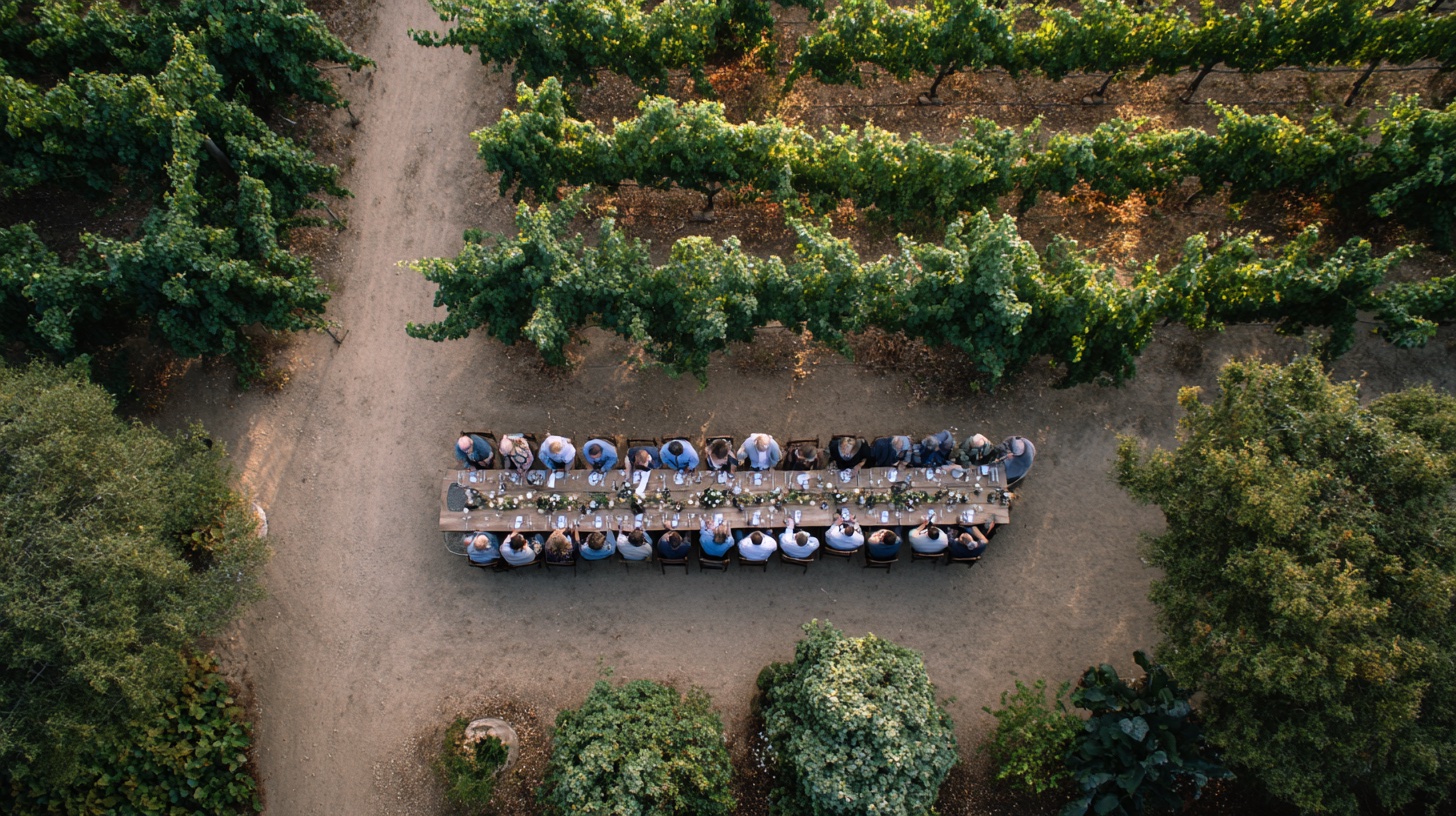
Wine clubs have quietly become the most important revenue engine in the American wine industry. They now account for 39% of all direct-to-consumer sales — surpassing tasting room revenue for the first time in 2022 and widening the gap since. For the average US winery, that translates to more than a quarter of total revenue flowing through a single membership channel.
But that channel is under pressure. DTC wine shipments fell 15% by volume in 2025 — the steepest annual decline since tracking began in 2010. Average member tenure has dropped from 36 months to 30. And nearly half of all wineries don’t even track their churn rate.
The wineries that are winning are borrowing a playbook that private clubs have refined for decades: build community, personalize the experience, and make membership feel like belonging, not a subscription.
Here’s what the data says about where the wine club model stands today, why the old approach is breaking, and what the most successful operators are doing differently.
The Revenue Engine: Wine Clubs by the Numbers
The scale of wine club economics is remarkable. According to the 2026 Silicon Valley Bank State of the Wine Industry Report, DTC sales now represent 68% of the average US winery’s revenue. Wine clubs alone account for 39% of that DTC total — meaning roughly one in four dollars a typical winery earns flows through its membership program.
The 2026 Sovos ShipCompliant DTC Report puts the average bottle shipped direct at a record $56.78, up 11% year-over-year, with average order values reaching $521 per shipment. Napa County leads at $99.97 per bottle. These are not commodity transactions — they reflect the kind of premium, relationship-driven purchasing that private club operators will recognize immediately.
The average winery wine club carried nearly 1,700 members at the start of 2024, according to WineBusiness Monthly’s Tasting Room Survey. For context, that’s comparable to the membership rolls of many mid-sized country clubs — but with a fundamentally different retention dynamic.
The Retention Gap: Private Clubs vs. Wine Clubs
Country and golf clubs maintain 92–94% annual retention rates. Wine clubs average 64–77%. That gap — roughly 2.5 to 3 times the attrition — represents both the central challenge and the largest opportunity in the wine club business.
The Retention Crisis: Why Members Leave
The SVB 2025 Direct-to-Consumer Wine Survey documented a significant shift in cancellation drivers. The top reason members leave: 48% now cite “better deals elsewhere,” up sharply from 31% in 2022. A third of cancellations cite annual expense. And younger cohorts — the very members wineries need most — are joining and quitting within the first year at higher rates than any other demographic.
Members acquired during promotional periods show 42% higher early cancellation rates than those who join during regular tasting room visits. This mirrors a pattern private clubs know well: discounted trial memberships create volume but erode the sense of exclusivity that drives long-term commitment.
Advertisement
The Demographic Shift No One Can Ignore
The Wine Market Council’s 2024 Wine Club Study revealed a membership base that skews older, whiter, and wealthier than virtually any other consumer segment in the US.
Nearly half of current wine club members are retired. Three-quarters belong to more than one club, with 18% belonging to five or more. These are deeply engaged, high-value customers — but they represent a generational cohort that is aging out.
Meanwhile, Millennials have surpassed Boomers as the largest US wine-drinking cohort at 31% of all wine drinkers, per the Wine Market Council’s December 2025 study. Gen Z now accounts for 14%, with only half the generation at legal drinking age. But 65% of young wine drinkers say wine “feels complicated,” and 71% of Gen Z cite health and wellness concerns as reasons they drink less.
This is not a marketing problem. It’s a structural one. The current wine club model was designed for a generation that discovered wine through prestige and connoisseurship. The next generation discovers brands through experience, identity, and community — the same forces reshaping private club membership.
What High-Retention Wineries Do Differently
The SVB 2025 DTC Report identified clear patterns separating high-retention operations from the rest. The data is unambiguous: the wineries beating industry-average churn are investing in the same levers that drive retention at the best private clubs.
1. Personalization Is Not Optional
Wineries implementing preference-based club options saw 18% higher retention versus traditional vintage-based clubs. Those allowing members to customize their shipments saw a 34% decrease in first-year cancellation likelihood. And wineries using three or more segmentation strategies in their communications saw 16% higher renewal rates.
The lesson is the same one private clubs learned years ago: a one-size-fits-all membership doesn’t work when members have different tastes, usage patterns, and expectations. The most sophisticated wine clubs now offer multiple tiers, red-only or white-only options, mix-and-match selections, and communication cadences tuned to individual engagement levels.
2. Experiences Drive Loyalty More Than Product
Clubs offering three or more non-product benefits — events, exclusive access, behind-the-scenes experiences — showed 22% higher retention than product-only clubs. Wineries that redesigned their clubs around the member experience saw 18–24% retention improvements in the first year alone.
This is where the private club analogy becomes most powerful. No one stays at a country club because of the greens fees. They stay because of the community, the traditions, the sense of place. The wineries seeing the highest retention — operations like Hundred Acre, which offers its members private estate dinners and vineyard experiences — understand that the wine is the entry point, not the reason members stay.
3. The Acquisition Channel Matters
75% of wineries still source their club members from the tasting room, with only 20% using digital marketing beyond social media. But tasting room traffic fell 5.1% in 2024 and continued to decline through 2025.
Conversion rates from tasting room visitor to club signup average 8–10% industry-wide, with rural wineries reaching as high as 25%. The declining-traffic problem is compounding the churn problem. Fewer new members coming in means the denominator shrinks while attrition continues. Wineries that have diversified their acquisition — through digital experiences, referral programs, and strategic partnerships with private clubs, luxury hospitality brands, and concierge services — are better positioned to sustain and grow their membership base.
The Exclusivity Premium: Lessons from Allocation-Only Clubs
At the top of the market, a different model operates entirely. Wineries like Screaming Eagle, Harlan Estate, and Scarecrow maintain allocation-only mailing lists with waitlists stretching 5 to 20 years. Screaming Eagle’s waitlist reached capacity years ago — there is now, famously, a waitlist for the waitlist.
These operations have effectively zero voluntary attrition. Members who receive allocations almost never cancel, because the secondary market values their bottles at multiples of release price. The membership itself has become an appreciating asset — not unlike a club membership at Yellowstone Club or Augusta National, where the initiation fee is dwarfed by the implied value of belonging.
The more attainable version of this strategy is tiered exclusivity: a base membership that’s accessible, with inner-circle tiers that offer library wines, winemaker dinners, harvest experiences, and first access to limited releases. This mirrors the private club model of offering enhanced membership categories — golf, social, athletic, platinum — that create aspiration within the existing community.
The Market Headwinds
None of this is happening in a vacuum. The US wine market contracted to approximately $74.3 billion in 2025, down 1.6% from the prior year. Total volume fell to roughly 329 million cases, a 2% decline. DTC shipments dropped an additional 15% by volume and 6% by value — the steepest decline in the history of the Sovos tracking data.
Silicon Valley Bank projects the market will “bounce along a bottom through 2027–2028, then shift back to modest growth,” with recovery to pre-COVID levels not expected until around 2040. Online wine sales have dropped 42% since their 2022 pandemic peak.
For wine clubs, this means the growth-through-inertia era is over. The wineries that will emerge strongest from this contraction are the ones investing in retention infrastructure now — CRM systems that track member engagement, personalized communication workflows, event programming that deepens community, and data-driven understanding of why members stay and why they leave.
Win-Back: The Second Chance
One of the most underutilized tools in the wine club arsenal is the targeted win-back campaign. The SVB data shows that personalized reactivation outreach achieves a 23–28% success rate, compared to just 8–12% for generic offers.
Private clubs have long maintained “former member” lists with dedicated re-engagement strategies. The best ones don’t wait for lapsed members to come back on their own — they reach out with personal invitations, notify them of new amenities or programming changes, and create low-friction pathways to reinstatement. Wine clubs with the infrastructure to do the same are recovering members at nearly three times the rate of those relying on blanket email blasts.
What Private Club Operators Should Take from This
If you run a private club, you may be reading this and recognizing your own playbook — because wine clubs are, at their core, private membership organizations facing the exact same forces:
- An aging core membership that needs to be supplemented with younger, experience-driven members
- Rising expectations for personalization driven by consumer brands that treat every interaction as bespoke
- A shift from product to experience as the primary driver of perceived membership value
- Competitive pressure from alternatives — whether it’s other clubs, lifestyle brands, or simply the choice to spend discretionary income elsewhere
- The compounding cost of churn in a market where new-member acquisition is getting harder and more expensive
The opportunity is bidirectional. Private clubs that partner with premium wineries — offering their members curated wine programs, harvest dinners, winemaker events, and allocation access — create differentiated value that no competitor can replicate with a better golf course or a renovated pool. And wineries that build relationships with private club channels gain access to a pre-qualified, high-net-worth audience that matches their ideal member profile almost perfectly.
This is the intersection where Private Club Marketing operates — working with both private clubs and premium wineries to build the kind of membership experiences that drive retention, deepen engagement, and create lasting brand loyalty.
The Road Ahead
The wine club model isn’t dying. It’s being forced to evolve from a transactional subscription into a genuine membership community — the same evolution that transformed the best private clubs from facilities into institutions.
The data is clear on what works: personalization, experiences, strategic acquisition channels, tiered exclusivity, and the discipline to measure what matters. The wineries and clubs that invest in these capabilities during the current market correction won’t just survive — they’ll emerge with deeper member relationships and stronger competitive moats than they had before.
The DTC wine market may not return to its pandemic highs until 2040. But the wineries that treat their club members the way the best private clubs treat theirs — as a community worth investing in, not a mailing list to ship to — won’t need the market to recover. They’ll have built something more valuable: a membership people don’t want to leave.
Sources: 2026 Silicon Valley Bank State of the US Wine Industry Report; 2026 Sovos ShipCompliant DTC Wine Shipping Report; SVB 2025 Direct-to-Consumer Wine Survey; Wine Market Council Wine Club Study (2024); Wine Market Council Consumer Study (Dec. 2025); WineBusiness Monthly Tasting Room Surveys (2024, 2025); vinSUITE Wine Club Scorecard Findings; PBMares Club Benchmarking; Capstone Hospitality.