

Private Club Marketing
Private Club Marketing & Membership Consulting
Membership consulting, lifestyle marketing, retention, and communication expertise that inspires opportunity and celebrates members and traditions.
Free ConsultationOur core mission is to improve the Member and Guest experience by assisting private members’ clubs and management to become better connected and engaged with their customers.
Trusted by Leading Private Clubs
We’ve worked with some of the most Iconic, Historic and Top 100 Private Members’ Clubs and Brands from Around the Globe.


Membership Consulting
Unlock your private club’s potential with our Membership Consulting services. Private Club Marketing has generated over $100M in membership revenues for our clients and partners. Our experts work closely with your team, crafting strategic growth and retention plans.
Learn More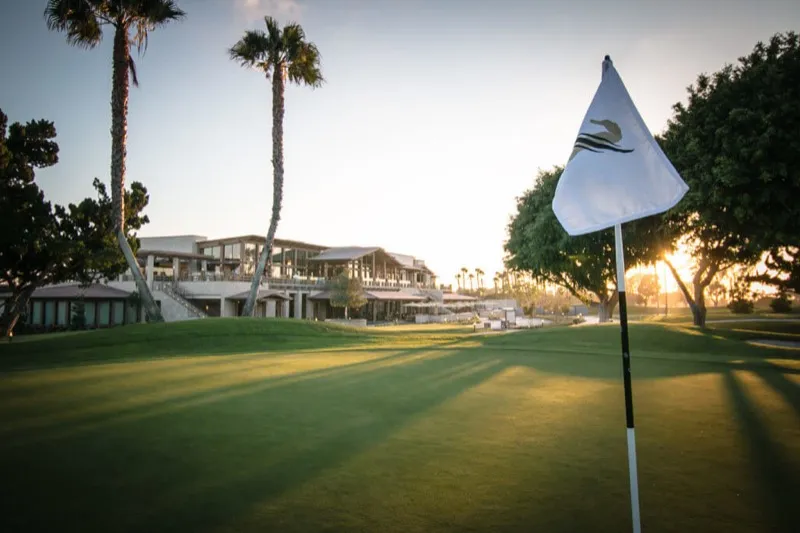
Club Development
Embarking on the construction and development phase of a golf or social club is a pivotal journey that transforms visionary concepts into esteemed establishments. This transformative process is at the heart of creating spaces that resonate with elegance, functionality, and exclusivity.
Learn More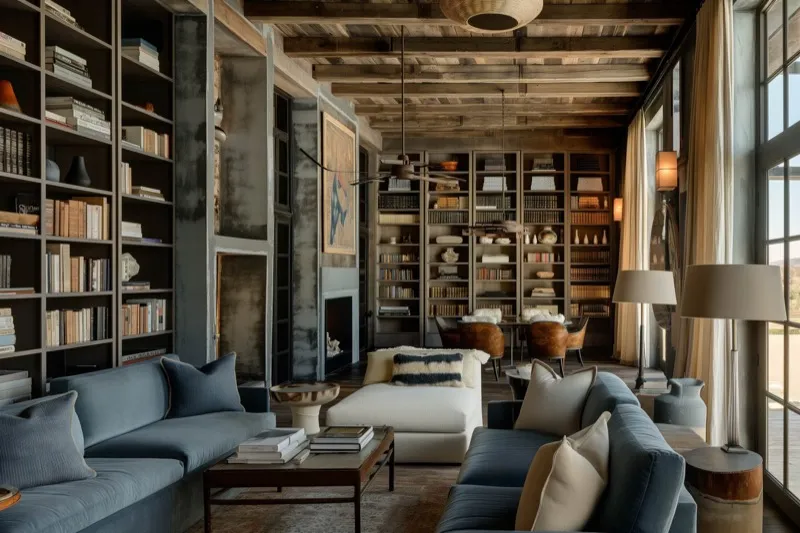
Get in the know.
Join 12,000 club leaders. Get insider strategies delivered to your inbox.
Branding & Creative Marketing
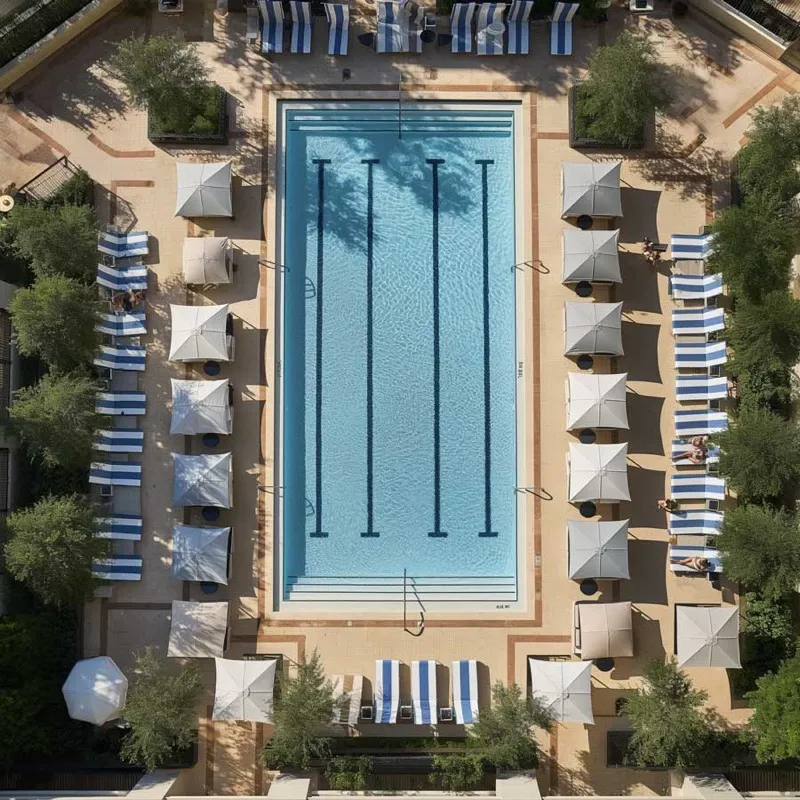
Enhance your private club’s allure with our specialized creative marketing services through innovative branding strategies. Our team is dedicated to unlocking the full potential of your establishment through dynamic Branding & Creative Marketing strategies.
Learn More

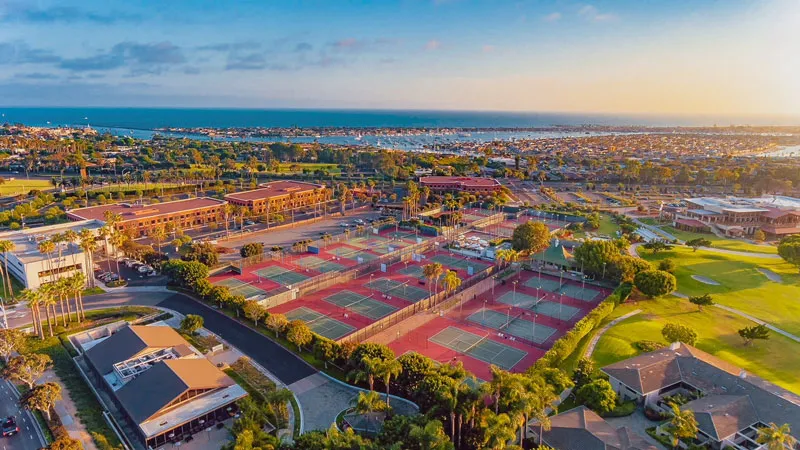
Industry Expertise
The nation’s leading consultancy focused exclusively on private clubs. Since 2009, we’ve partnered with 200+ golf clubs, country clubs, city clubs, yacht clubs, and resort communities — helping them attract the right members, strengthen retention, and build financial models that sustain their clubs for generations.
Strategy & Execution
25+ years of hands-on experience in club operations, membership sales, luxury branding, and capital project advisory. We combine strategic consulting with full-service creative capabilities — brand identity, photography, video, website design, and content marketing — so your strategy and execution come from the same team.
National Reach
With offices in Los Angeles, Philadelphia, and Jackson, Wyoming, we serve clubs coast to coast and bring national-level insights to every local engagement. Whether you need a membership audit, an interim director, a pre-opening launch, or a brand refresh — our approach is rooted in data and designed to deliver measurable results.

Press & Media

Let's Talk
Ready to elevate your club?
Schedule a complimentary consultation to discuss your club's goals.
Get in Touch