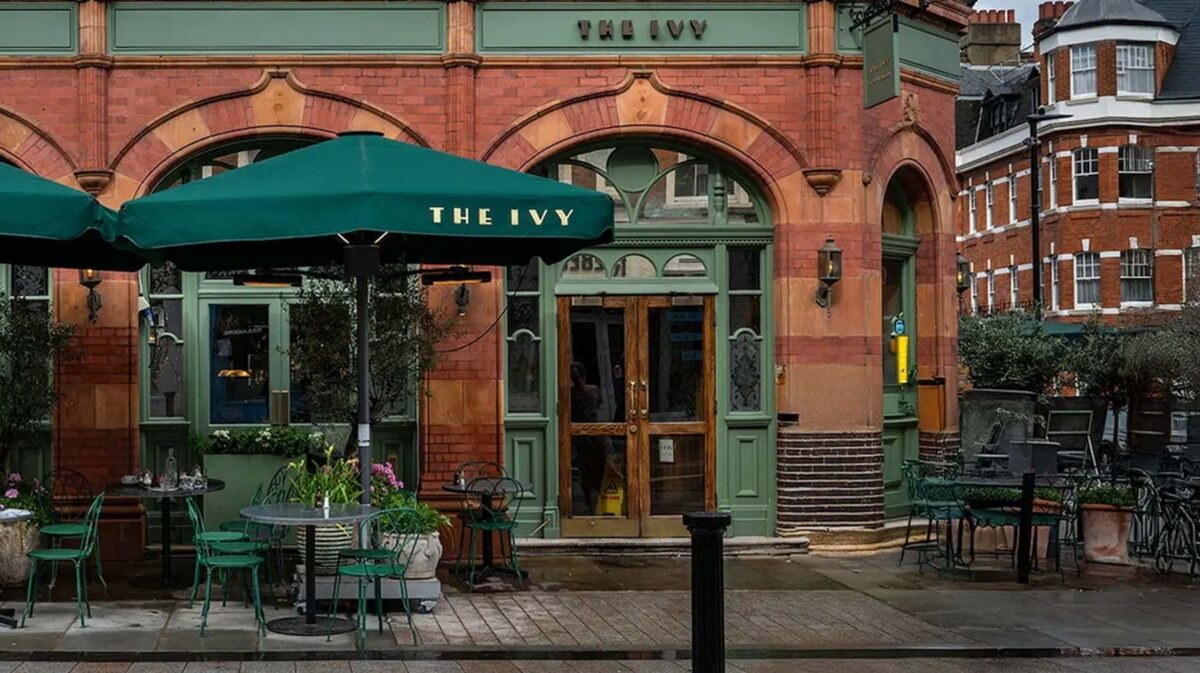

The portfolio includes some of the most storied names in private dining: Annabel’s, Scott’s, The Ivy, Sexy Fish, Harry’s Bar, George, Mark’s Club, and Noema. These aren’t just restaurants — they’re institutions, each carrying decades of brand equity, celebrity cachet, and member loyalty that no marketing budget can manufacture overnight.
For private club operators in the United States, the deal is more than a headline. It’s a case study.
What £1.4 Billion Actually Buys
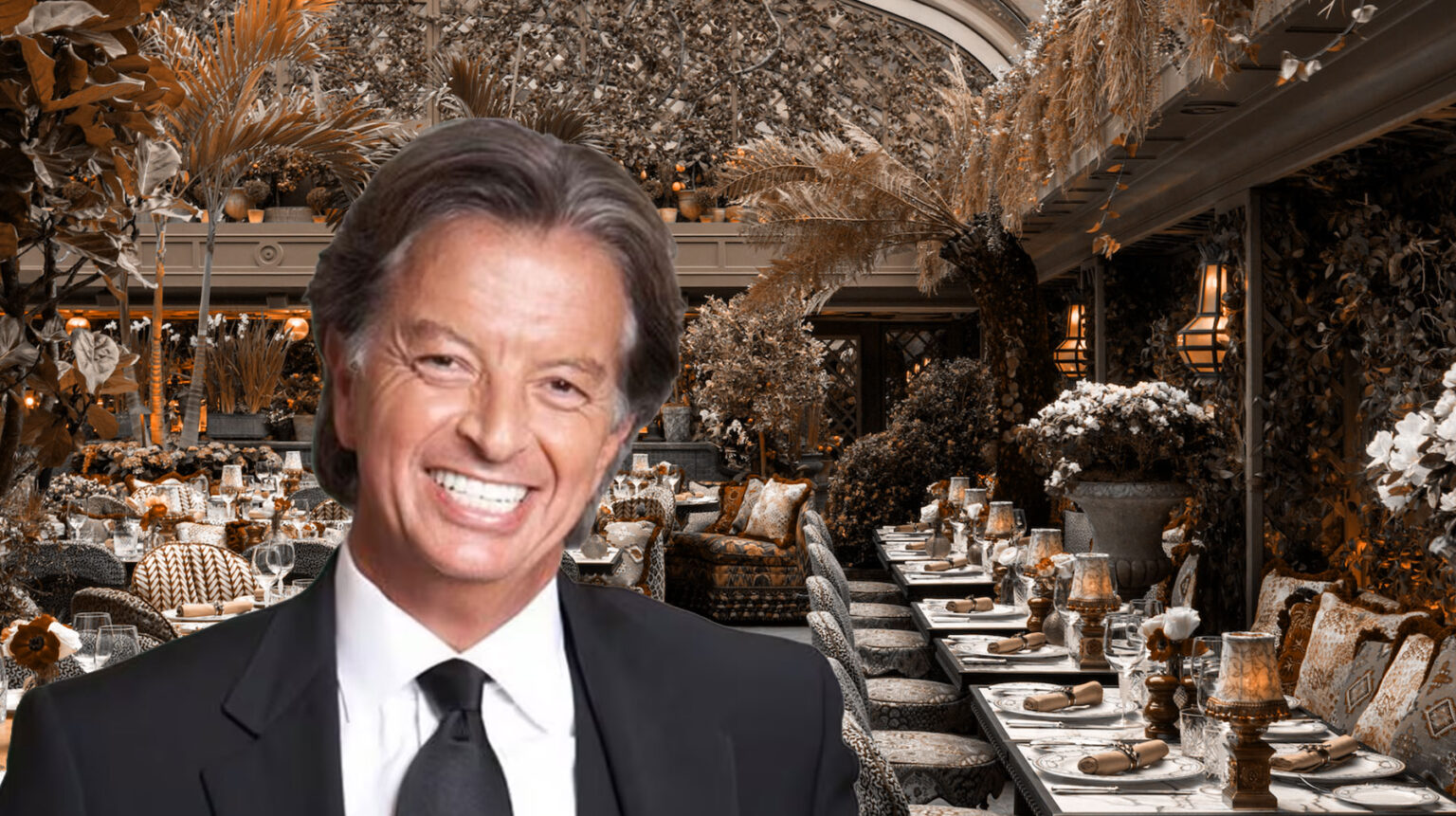
Caring built his fortune in fashion before pivoting into high-end property and hospitality — assembling one of London’s most valuable leisure portfolios by acquiring legacy brands and scaling them methodically. His signature move: taking The Ivy from a single celebrity haunt and expanding it to more than 40 locations across the UK without losing the name’s power.
The financial result is striking. Troia (UK) Restaurants — the restaurant element of the portfolio — posted adjusted earnings of £58 million on £303 million in turnover last year. At £1.4 billion, the valuation represents roughly a 24x earnings multiple.
In hospitality, where 8–12x is considered a healthy exit, that premium doesn’t come from kitchen equipment or square footage. It comes from brand. From the fact that a table at Scott’s still means something. That Annabel’s membership still confers status. That The Ivy is the name a tourist knows before they know any other London restaurant.
Private clubs have always operated at the intersection of experience and identity. This deal puts a hard number on what that intersection is worth.
“This deal is a benchmark every private club board should study. When global capital values private club brand equity at 24 times earnings, it tells you something most boards still refuse to hear: your name isn’t overhead — it’s your most valuable asset. And right now, most American clubs are leaving that asset on the table.”
— Zack Bates, CEO, Private Club Marketing
The Buyer: Abu Dhabi’s Most Powerful Dealmaker
DIAFA is an affiliate of International Holding Company — IHC — the investment conglomerate chaired by Sheikh Tahnoon and now the largest listed company in the UAE, with a market capitalization of approximately $232 billion. IHC has spent recent years assembling a sprawling global portfolio across finance, consumer goods, and energy, operating across 85 countries.
DIAFA itself already controls some of the world’s most recognizable upscale dining brands: Zuma and Roka under the Azumi Group, and the h.wood Group, which operates Delilah, The Nice Guy, and Bird Streets Club. The acquisition of Caring’s empire is not a one-off — it’s the latest move in a deliberate thesis that exclusive, experience-driven hospitality is one of the few categories that global wealth continues to prioritize regardless of economic cycles.
The incoming CEO reinforces the strategy. Ravi Thakran — tapped to lead the combined entity — spent years as chairman of LVMH’s Asia operations and founded L Capital Asia, the private equity arm backed by Bernard Arnault. This is not a real estate play. It’s a brand-building play, executed by operators who understand that luxury is emotion first, product second.
The US Expansion Signal
Caring will remain as executive chairman, and the group plans to bring the Ivy Brasserie concept — proven across more than 40 UK locations — to the United States.
American private clubs should take note. The Ivy Brasserie has expanded at scale without diluting the original — a format that carries aspirational brand weight in markets that never had a single Ivy location. If DIAFA deploys that model in the US, it enters a landscape where many legacy private clubs are still wrestling with how to modernize the member experience, justify dues increases, and attract the next generation of members.
The competition isn’t just other clubs. It’s any experience-based venue that makes someone feel they belong to something.

Three Takeaways for American Private Clubs
The sale of Caring’s empire closes one chapter of Mayfair’s golden era. For American private clubs paying attention, it opens a more important question: what would your brand be worth today?