
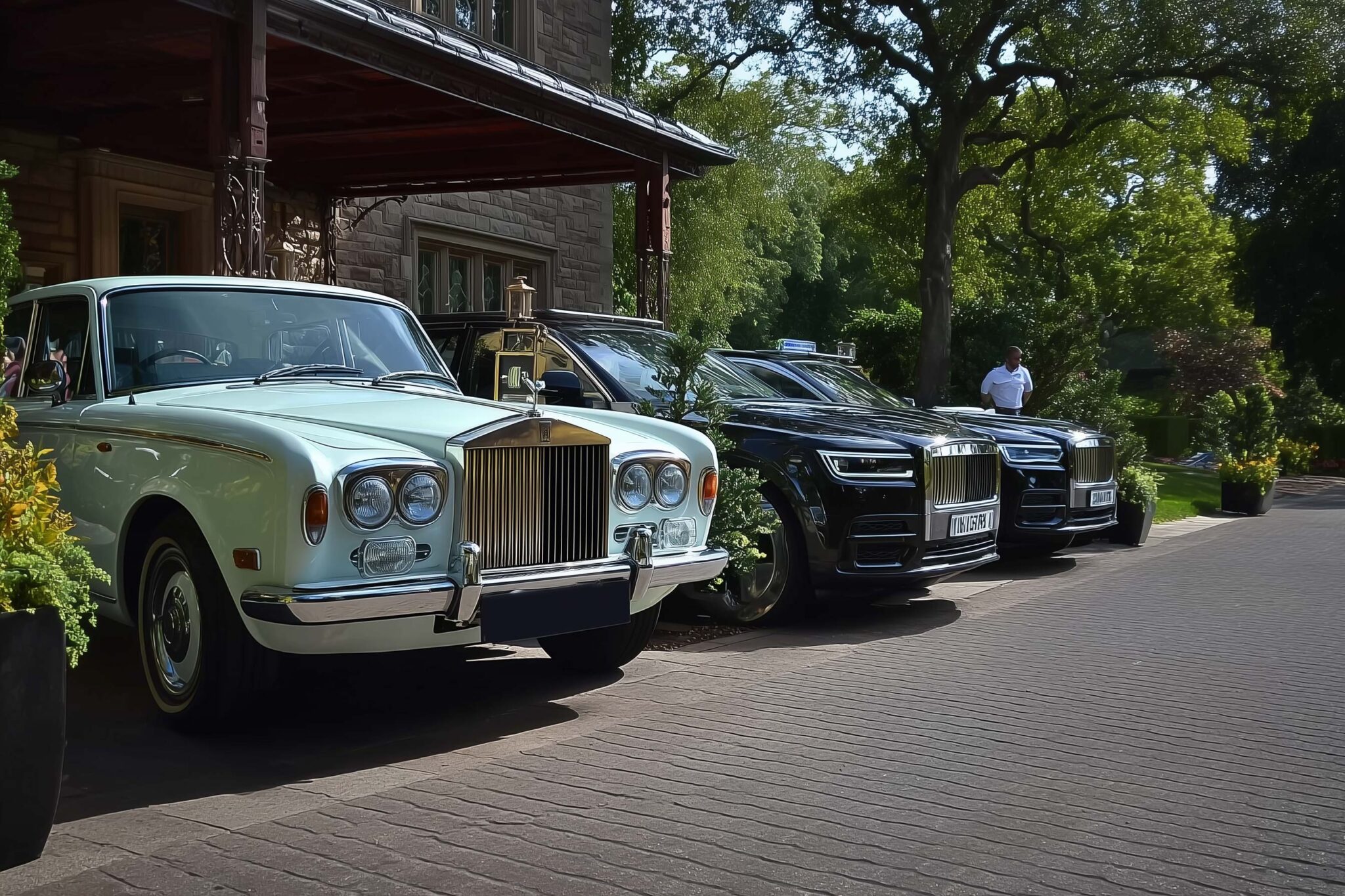
There is a particular kind of status that reveals itself quietly. Not in the dining room, not on the golf course, but in the parking lot. Long before valet tickets and key fobs, the cars that lined the drives of America’s great country clubs told a story — of taste, of arrival, of a life well-lived. Some of those stories are timeless. Others are etched into a specific decade, a specific afternoon in the long arc of American luxury.
These are the cars that have always belonged.
Rolls-Royce Silver Shadow (1965–1980)
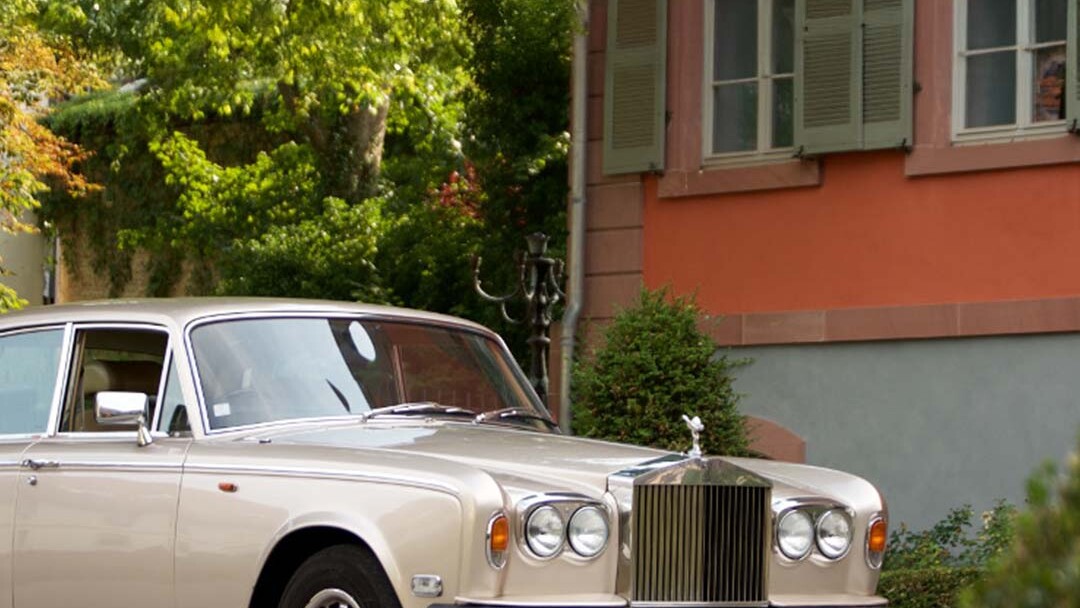
If there is one car that the country club parking lot was essentially designed around, it is the Silver Shadow. Understated where it needed to be, unmistakable where it counted. The Shadow didn’t announce itself — it simply appeared, and everything else adjusted accordingly. Through the late 1960s and into the 1970s, a Silver Shadow parked beneath the portico of a golf or tennis club was the automotive equivalent of a reserved table in the best corner of the room. It remains, to this day, the benchmark against which country club cars are quietly measured.
Cadillac Eldorado (1967–1970)
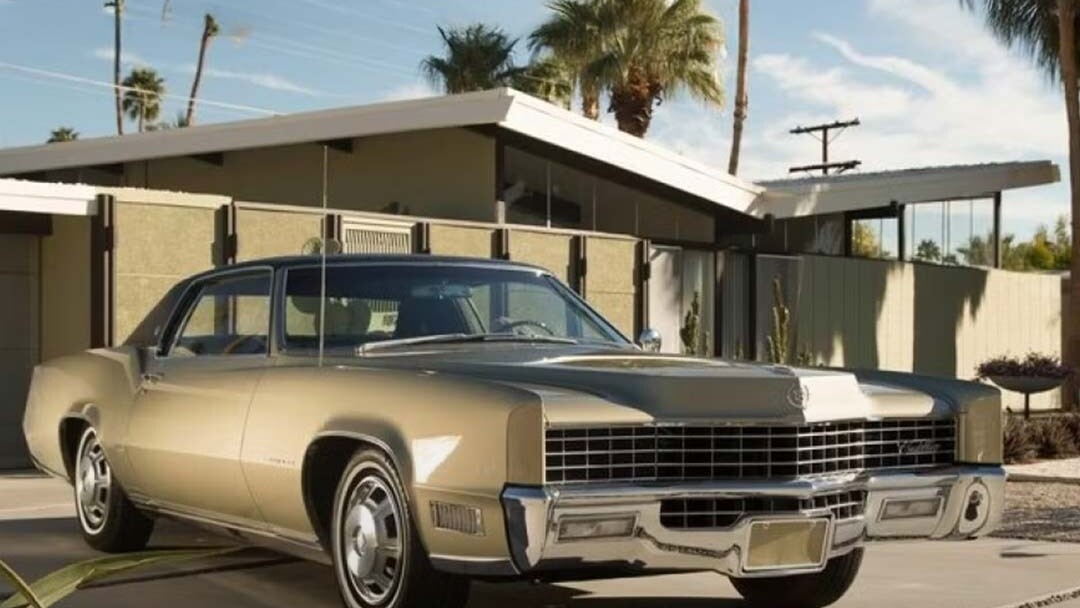
America’s answer to European excess, and arguably more confident for it. The late-1960s Eldorado — long, wide, front-wheel-drive, and draped in chrome — was the car of choice for the self-made man who wanted the world to know it. Country clubs in the South and Midwest saw an entire generation of members arrive in these beauties. It was aspirational in the purest sense: the car you worked toward, saved for, and drove with quiet pride every Saturday morning for a decade.
Mercedes-Benz 450SL (1971–1989)
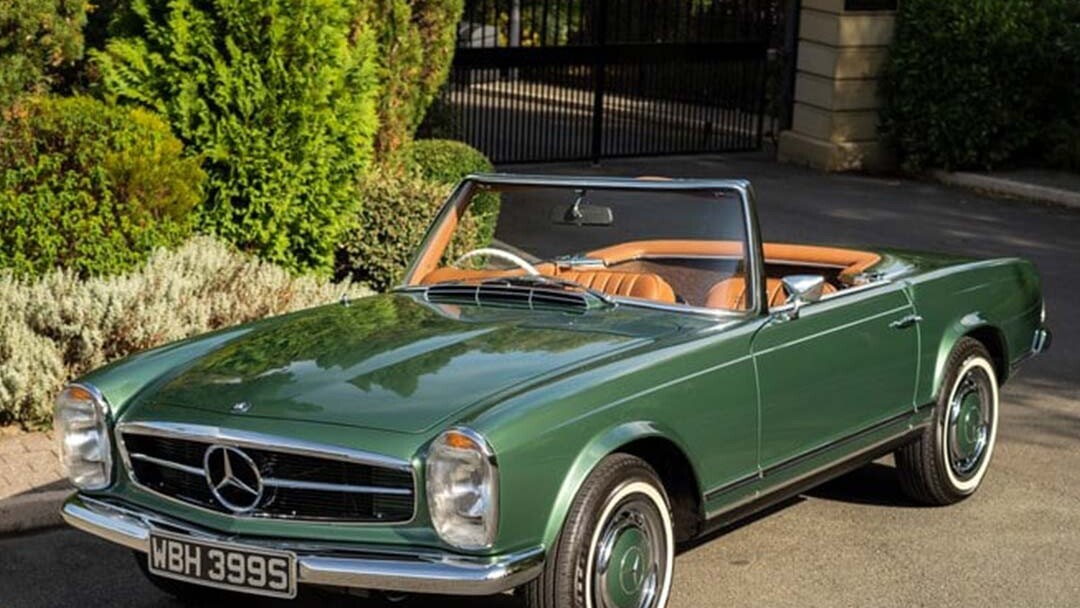
The R107 SL-Class is one of the longest-running and most beloved production runs in automotive history, and its relationship with the country club is inseparable from its legacy. The 450SL was the car of the tennis set, the après-golf cocktail hour, the sun-drenched Saturday morning. It was driven by doctors, by executives, by women who understood style better than any automotive journalist of the era. Elegant without being ostentatious, it threaded a needle that few cars before or since have managed as effortlessly.
Advertisement
Jaguar E-Type (1961–1975)
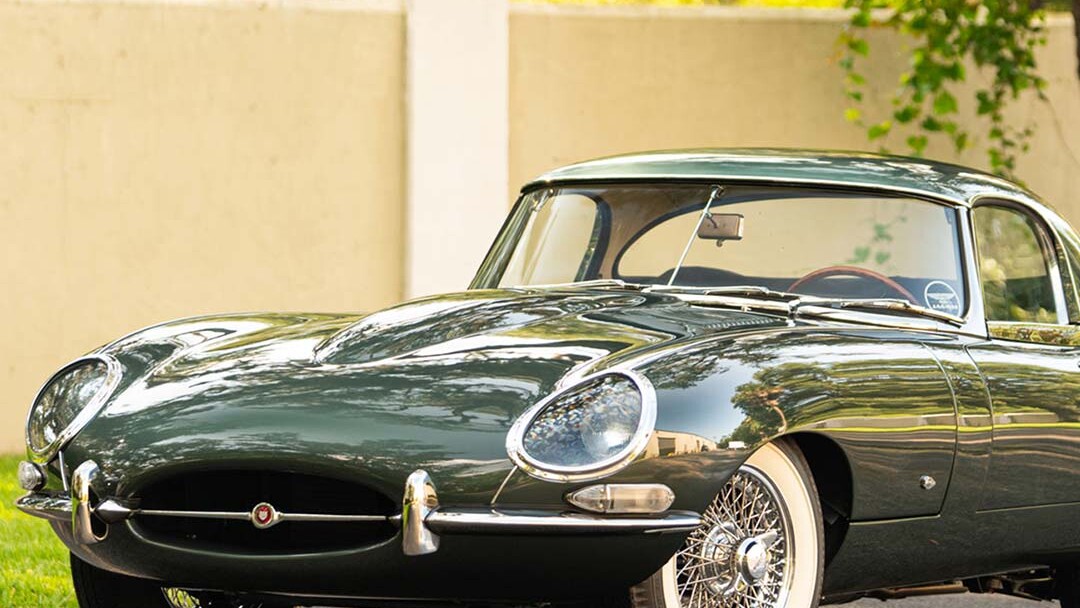
Enzo Ferrari called it the most beautiful car ever made, and no one has seriously argued with him since. The E-Type’s appearance in a country club parking lot was always an event — a flash of chrome and British racing green among the sedans and wagons, a reminder that some people approached their leisure with the same intensity they brought to their ambitions. The younger members drove them. The older members admired them. Everyone remembered them.
Porsche 911 (1963–present)
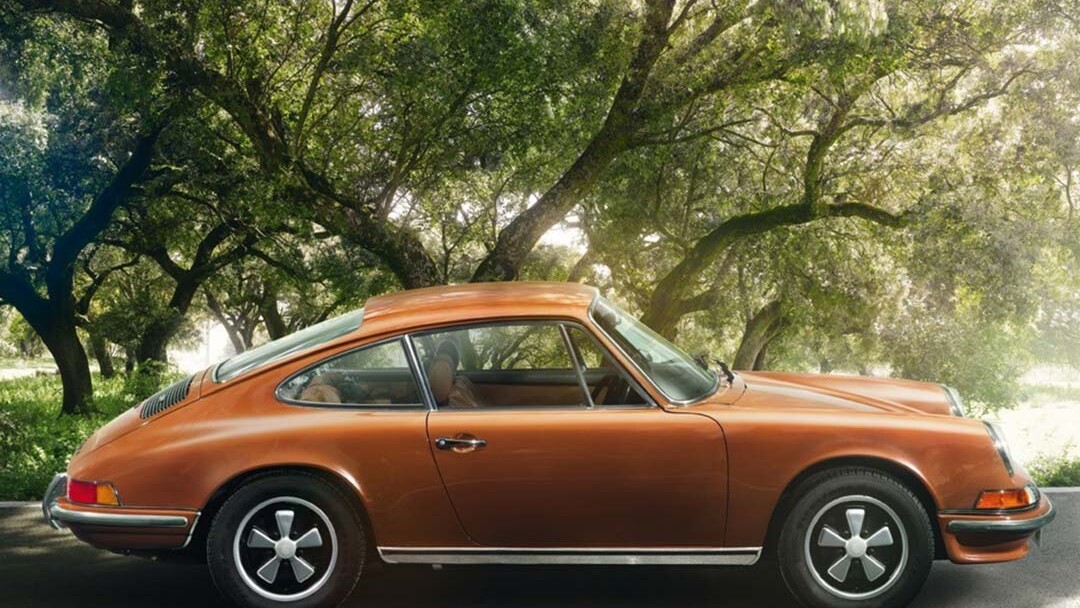
No car on this list has endured quite like the 911. What began as a sophisticated sports car for a niche European market became, over six decades, the defining vehicle of the American professional class. At every great golf club, tennis club, and city club from Palm Beach to Pebble Beach, the 911 is a constant — generation after generation, shape subtly evolving, identity never wavering. It is the car of the member who has everything and still chooses correctly. Its presence in the lot is as reliable as the tee time.
Lincoln Continental (1961–1969)
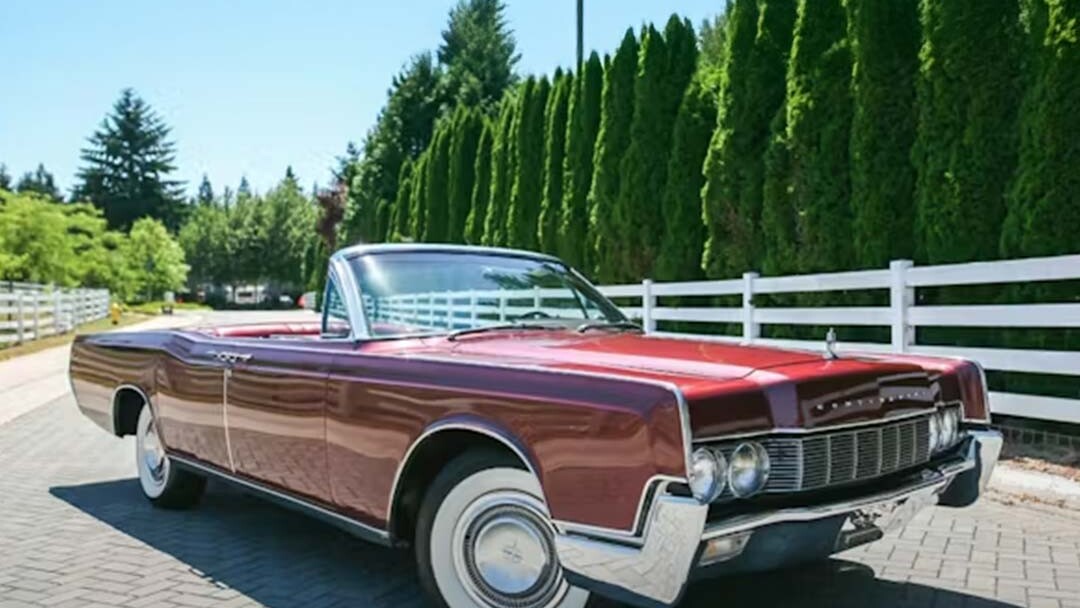
The Kennedy-era Continental is an object of almost impossible elegance — clean, slab-sided, suicide-doored, and carrying an entire decade’s worth of American confidence in its lines. It was the car of senators, of chairmen, of men who moved through the world with absolute assurance. At the great clubs of the early 1960s, a Continental at the curb meant someone significant had arrived. It remains one of the most beautiful American automobiles ever produced, and its association with a certain kind of dignified power has never faded.
Range Rover Classic (1970–1996)
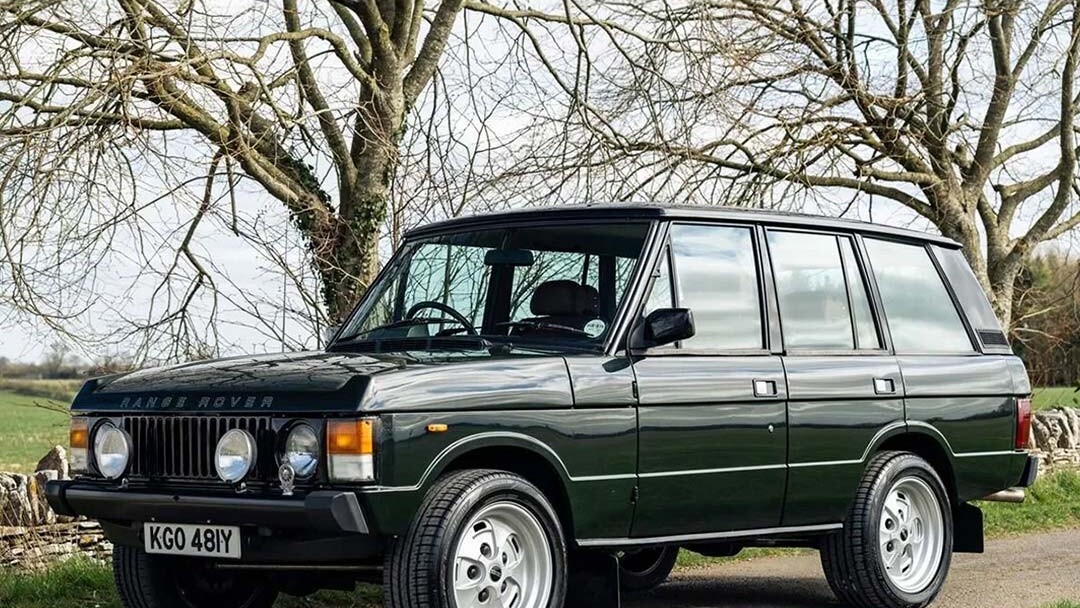
The original Range Rover changed what a country club car could be. Before it, the parking lot belonged entirely to sedans, roadsters, and grand tourers. The Range Rover introduced a new grammar — the idea that the drive to the club might be part of the experience, that land and lifestyle were inseparable. At clubs with equestrian facilities, at golf clubs set into rolling countryside, at the great sporting estates of the English countryside that quietly shaped the American club ideal, the Range Rover was not a compromise. It was a statement.
Bentley Continental GT (2003–present)
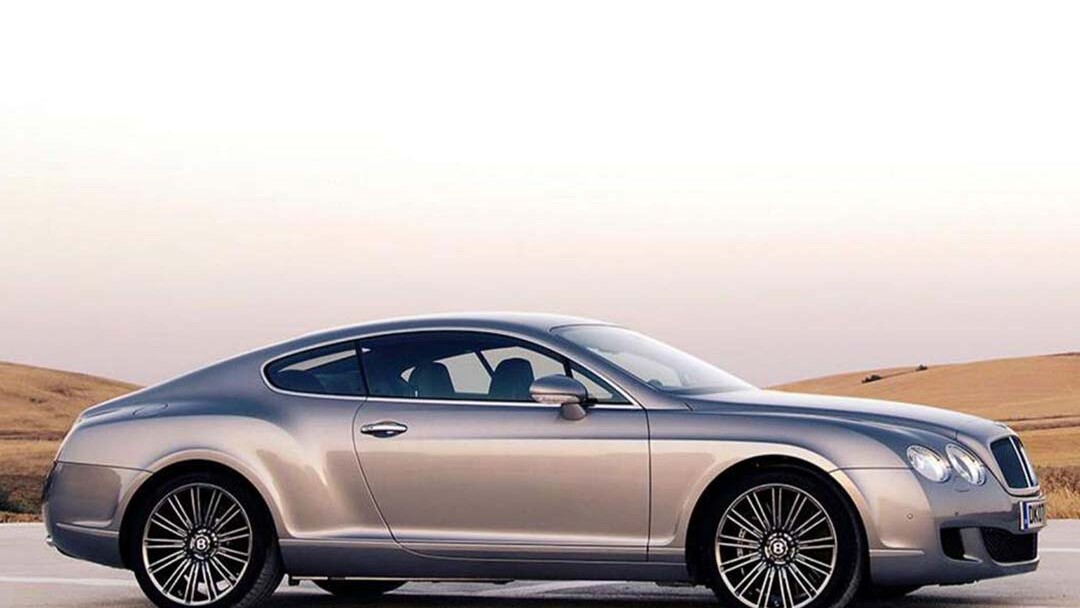
When the Continental GT arrived in 2003, it did something that seemed nearly impossible: it made Bentley relevant to a new generation without diminishing what Bentley had always meant to the old one. Grand, fast, beautifully crafted, and just slightly more approachable than a Phantom — the Continental GT became the modern country club car almost immediately. Today, in the lots of the finest golf and country clubs across North America, it is the car most likely to make you pause as you walk past. Which is, of course, exactly the point.
The Parking Lot as a Mirror
What these cars share is not a price point or a country of origin, but a quality that is harder to define: they belong. Not in an exclusive or unwelcoming sense, but in the way that certain things fit certain settings so naturally that their presence feels almost inevitable. A Silver Shadow under the oak trees. A 911 in the morning light. A Continental GT waiting by the bag drop.
The country club parking lot has always been a kind of curated collection — unplanned, ever-changing, and quietly revealing about who we are and what we value. The best cars, like the best clubs, endure not because they insist on their own importance, but because they earn it, year after year, arrival after arrival.
Some things never go out of style. They simply age into classics.