
In recent times, the landscape of professional work and networking has undergone a remarkable transformation. The rise of remote work, driven by technological advancements, has left many seeking more than just a traditional office space. Enter the resurgence of private social clubs, a flourishing trend that is rewriting the rules of professional engagement. If you’re a developer eyeing the future of real estate, here’s your guide to tapping into the growing demand for private member social clubs, especially in the face of challenges in the commercial real estate market.
Challenges in the Commercial Real Estate Market
Office Vacancy Rates Reach Record Highs
Office vacancy rates are at record highs in key markets like Manhattan and Silicon Valley. According to Cushman & Wakefield, the office vacancy rate in Manhattan was 16.7% in Q2 2023, while the office vacancy rate in Silicon Valley was 21.6%. The demand for office space is expected to remain weak in the near future. According to CBRE, the demand for office space in the United States is expected to grow at a rate of just 1.2% per year over the next five years.
These figures paint a clear picture of the challenges facing the commercial real estate market. Rising vacancy rates, sluggish demand, and uncertain prospects for traditional office spaces are putting developers to the test.
Why Private Social Clubs Are the Solution
The Rise of Private Social Clubs in Business
Private social clubs are becoming increasingly popular among businesses. According to a recent survey by the Club Management Association of America, 72% of businesses are considering using private social clubs for business purposes. These clubs offer a fresh perspective on real estate development by providing versatile spaces that cater to the evolving needs of today’s professionals and businesses.
Seize the Opportunity: Strategies for Real Estate Developers
Here are some specific examples of how developers can tap into the growing demand for private social clubs:
- Convert existing commercial properties into private social clubs: This could be a good option for developers who have properties in areas with high concentrations of professionals and businesses. By repurposing underutilized commercial spaces, you can transform them into vibrant hubs of collaboration and networking.
- Develop new private social clubs in underserved areas: Consider developing private social clubs in suburban areas or smaller cities where the demand for such spaces is on the rise. These locations may offer a unique value proposition for professionals seeking alternatives to traditional offices.
- Partner with existing private social clubs to expand their reach: Explore opportunities to develop new locations for private social clubs or provide them with additional services and amenities. Collaborating with established clubs can be a mutually beneficial arrangement, allowing you to leverage their brand and expertise.
Case Studies
Learn from the success stories of these private social clubs:

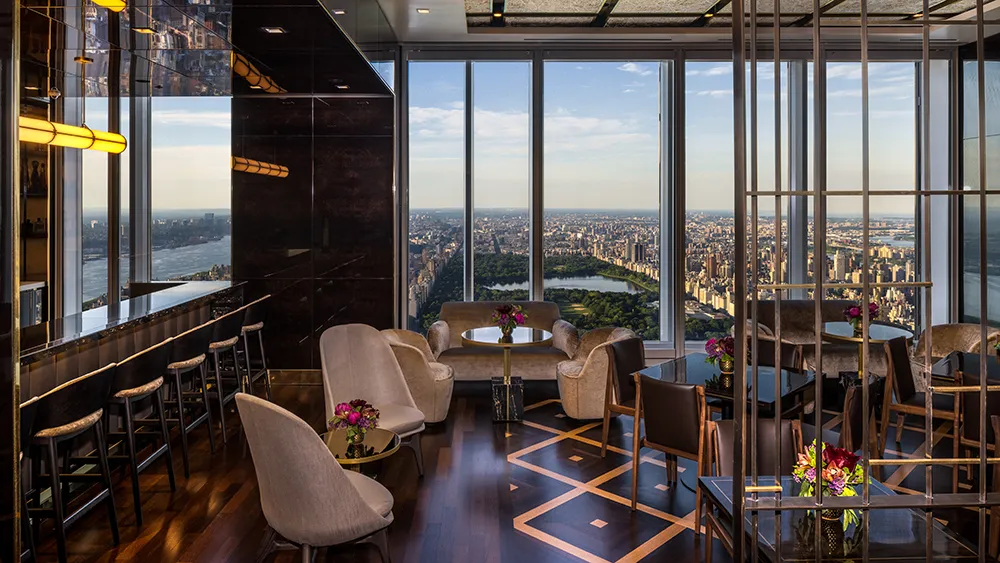
Zero Bond in New York City
Zero Bond is a private social club that caters to professionals in the creative industries. The club offers a variety of amenities, including co-working spaces, meeting rooms, a restaurant, bar, and event spaces. Zero Bond has been praised for its unique atmosphere and its focus on providing a space for professionals to connect and collaborate.
Soho House
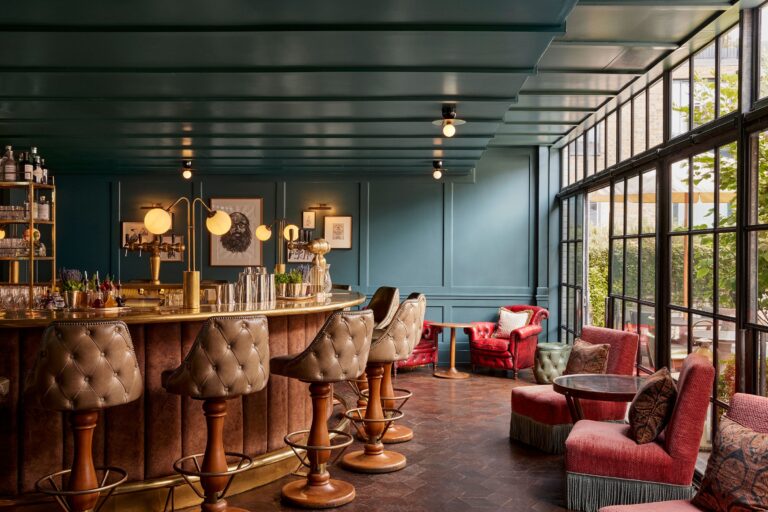
Soho House is a global chain of private social clubs popular among professionals in various industries. Soho House clubs offer co-working spaces, meeting rooms, restaurants, bars, and hotels. They are known for their exclusive atmosphere and their focus on providing a space for professionals to relax and socialize.

Elwood Club at The Pendry Newport Beach
The Elwood Club at Pendry Newport Beach is a modern members club with an unrivaled collection of amenities, including a private restaurant and bar with garden terrace, a glamorous cabaret and bar, a pub with a golf simulator and screening room, a member boardroom, and an impressive gallery of art. Members also have preferred access and discounts to the full suite of amenities and services of Pendry Newport Beach.
References and Further Reading
To bolster your understanding and support your ventures, here are a few articles that shed light on the growing demand for private member social clubs:
- WSJ Manhattan’s Private Clubs Offer a New Social Lifeline to Remote Workers
- Financial Times Manhattan’s private clubs thrive in a new Gilded Age
- Vogue Are you a member? Why luxury retailers are investing in private clubs
- Forbes Elite Private Clubs Seen As Way To Lure Workers Back To Office
- Skift Cracking the Code for a New Wave of Members Clubs
These sources offer invaluable insights and statistics on the current trends and surging interest in the private social club sector. They provide compelling evidence of the market’s potential.
Contact Private Club Marketing to assist you with exploring and development of your upcoming private club.
Free Download
The 2026 Private Club Benchmark Report
The membership, amenity, and pricing data reshaping private clubs — from a 1,200-club analysis. Enter your details and we'll send it to your inbox.