
The modern athletic club is undergoing a profound transformation, evolving from traditional fitness facilities into comprehensive wellness sanctuaries that cater to the sophisticated needs of high-performance lifestyles. Today’s affluent members are seeking more than just exercise equipment and tennis courts-they demand holistic wellness experiences that support their demanding schedules and high-stress careers. This shift reflects a broader cultural movement where wellness has become the ultimate luxury amenity. According to Knight Frank’s The Wealth Report 2025, almost half of ultra-high-net-worth individuals would spend a windfall on experiences rather than material goods, with wellness and health ranking as their highest priority. Athletic clubs are responding by integrating advanced recovery technologies, spa services, mental wellness programs, and personalized health coaching into their offerings, positioning themselves as essential partners in their members’ pursuit of optimal performance and longevity.
The Wellness-First Member Mindset
The demographic driving this wellness transformation represents a significant economic force in the private club industry. According to Capgemini’s World Wealth Report 2025, North America holds $29.9 trillion in high-net-worth individual wealth with 8.4 million HNWIs, registering the strongest recovery worldwide with 7.2% wealth growth in 2023. These affluent professionals are redefining what they expect from their club memberships, moving beyond traditional recreational activities to seek comprehensive wellness solutions that complement their high-performance lifestyles. This mindset shift is evident in member spending patterns, with 79% of club members expecting their spending to remain the same or increase according to CMAA’s Club Leader’s Perspective Survey 2024.
This shift is perhaps most clearly embodied by Equinox, whose “Optimize by Equinox” membership-priced at $40,000 per year-bundles personal training, nutrition coaching, sleep coaching, massage therapy, and a health concierge into a single offering. Despite its premium price point, the program carries a waiting list of over 1,000 members, validating Executive Chairman Harvey Spevak’s defining framing: “Health is the new luxury.” Athletic clubs that understand this connection are positioning themselves as essential wellness partners rather than recreational facilities.
Recovery Technology and Advanced Amenities
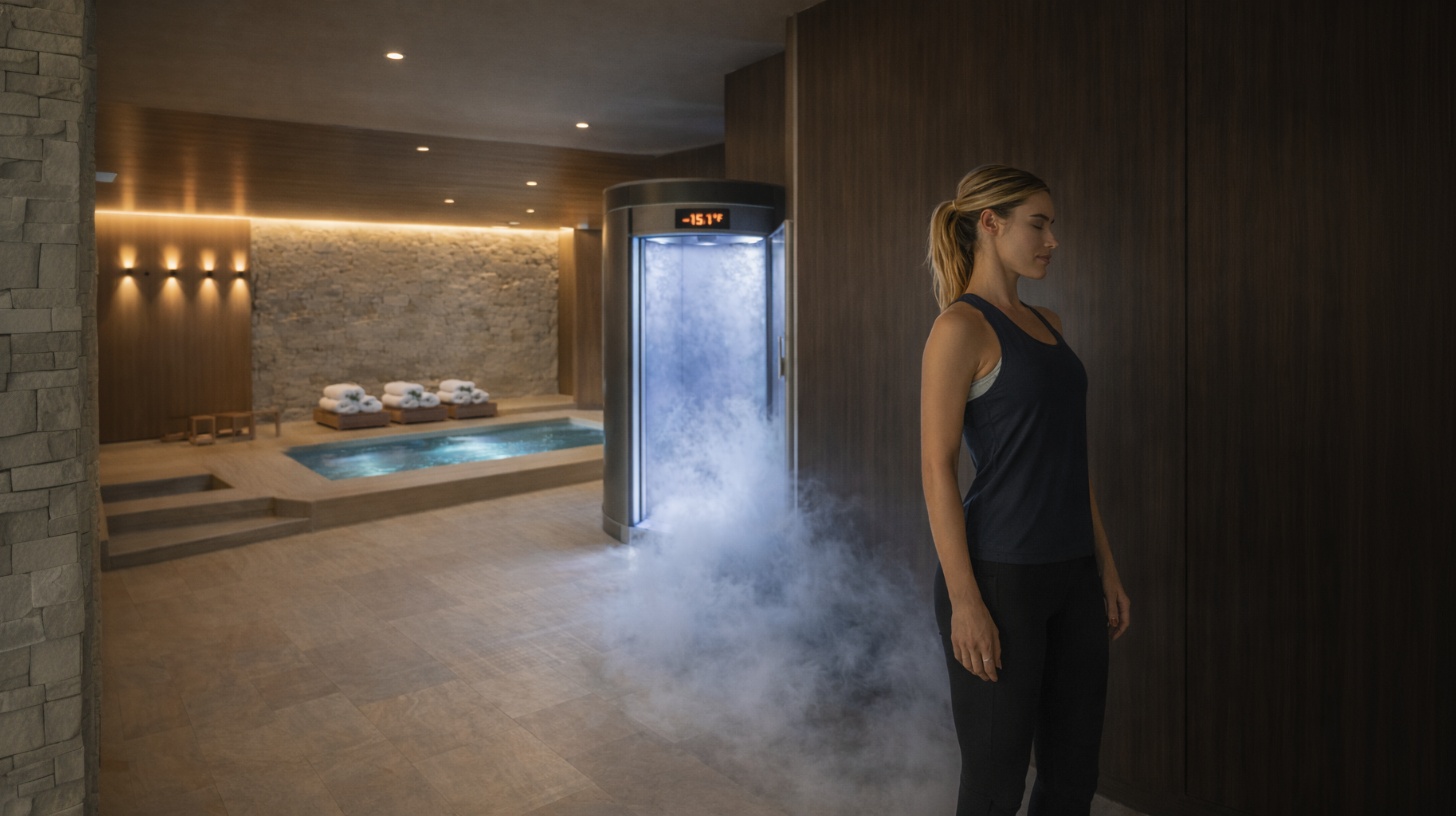
Leading athletic clubs are investing heavily in cutting-edge recovery technologies that mirror those used by professional athletes and elite performers. These facilities now feature cryotherapy chambers, infrared saunas, hyperbaric oxygen therapy, and compression therapy systems that accelerate recovery and enhance performance. Red light therapy panels, float tanks, and advanced massage therapy suites have become standard offerings at premium clubs seeking to differentiate themselves in an increasingly competitive market. The integration of wearable technology and biometric monitoring allows members to track their recovery metrics and optimize their wellness routines based on real-time data.
Remedy Place in New York City represents the leading edge of this investment, offering AI-powered bodywork, infrared saunas, 40-degree cold plunge tubs, hyperbaric chambers, and a Work & Drip Suite where members take Zoom calls while receiving vitamin IVs-all within a membership capped at just 200 to preserve the experience. The appeal extends beyond physical recovery to encompass mental restoration, with many clubs incorporating meditation pods, neurofeedback systems, and stress reduction technologies that help members manage the demands of their high-pressure careers.
Holistic Health Programming and Services
Modern athletic clubs are expanding their programming to address the complete spectrum of member wellness needs, incorporating nutrition counseling, sleep optimization, stress management, and mental health support services. Executive health programs now include comprehensive metabolic testing, genetic analysis, and personalized wellness protocols developed by teams of physicians, nutritionists, and wellness coaches. Many clubs have established partnerships with leading medical institutions to offer advanced diagnostic services and preventive care programs on-site.
Sleep wellness has emerged as a critical focus area, with clubs offering sleep studies, circadian rhythm optimization, and specialized recovery suites designed to promote restorative rest. Mental wellness programming includes executive coaching, mindfulness training, and stress resilience workshops that help members develop psychological tools for peak performance. These comprehensive services position athletic clubs as integral partners in their members’ long-term wellness journey, creating deeper engagement and stronger loyalty while justifying premium pricing structures.
The Business Case for Wellness Investment
The financial dynamics of the private club industry strongly support investment in wellness amenities and programming. According to the NCA, CMAA & Club Benchmarking’s Private Club Industry Economic Impact Report, private clubs collectively generated $32.6 billion in direct revenue in 2023. The CMAA & Club Benchmarking Survey 2024 reveals that initiation fees grew by an average of 8.7% and annual dues by approximately 6.2%, reflecting strong member willingness to pay for enhanced experiences. However, a 23% decrease in clubs experiencing membership growth underscores the urgency of differentiation.
The demand dynamics at wellness-forward clubs tell a compelling story. The Health Club in Charlotte, North Carolina-an 18,000-square-foot facility pairing a fully equipped gym with a dedicated recovery section-sold out its memberships before opening and built a waitlist exceeding 600 members. Founder Addy Collett Hakim designed the club specifically for “The Healthy Hustler”: high achievers who treat recovery as a non-negotiable pillar of professional performance. When clubs credibly position wellness as infrastructure for high performance, the market responds with urgency.
Creating the Ultimate Wellness Ecosystem
The most successful athletic clubs are creating integrated wellness ecosystems that seamlessly blend fitness, recovery, nutrition, mental wellness, and social connection into a cohesive member experience. Design elements play a crucial role, with clubs incorporating biophilic design principles, circadian lighting systems, and acoustically optimized spaces that promote relaxation and recovery. Life Time has taken this concept furthest, pioneering luxury residential communities built in direct integration with its clubs-giving residents seamless daily access to comprehensive wellness amenities as a literal extension of their living environment.
Technology integration ensures members can track their progress across all wellness activities-from fitness performance to sleep quality to stress levels-creating a comprehensive picture of their health journey. Staff expertise has evolved to include certified wellness coaches, recovery specialists, and mental performance consultants who provide personalized guidance. The ultimate goal is to create an environment where every aspect of the club experience contributes to overall well-being and life performance, making membership an indispensable part of members’ lifestyles rather than simply a recreational amenity.
Athletic clubs that embrace their evolution into wellness sanctuaries are positioning themselves for sustained success in an increasingly competitive luxury market. By understanding that today’s affluent members view wellness as an essential investment rather than a luxury indulgence, forward-thinking clubs are creating comprehensive ecosystems that support every aspect of high-performance living. The integration of advanced recovery technologies, holistic health programming, and personalized wellness services creates unprecedented value for members while establishing clubs as indispensable partners in their success journey. Ready to transform your athletic club into a wellness sanctuary that attracts and retains affluent members? Contact Private Club Marketing to develop a comprehensive wellness positioning strategy that elevates your club’s value proposition and drives sustainable membership growth.
Sources
- Knight Frank (2025), The Wealth Report 2025
- Capgemini (2025), World Wealth Report 2025
- CMAA (2024), Club Leader’s Perspective Survey 2024
- NCA, CMAA & Club Benchmarking (2024), Private Club Industry Economic Impact Report
- CMAA & Club Benchmarking (2024), Club Benchmarking Survey 2024