
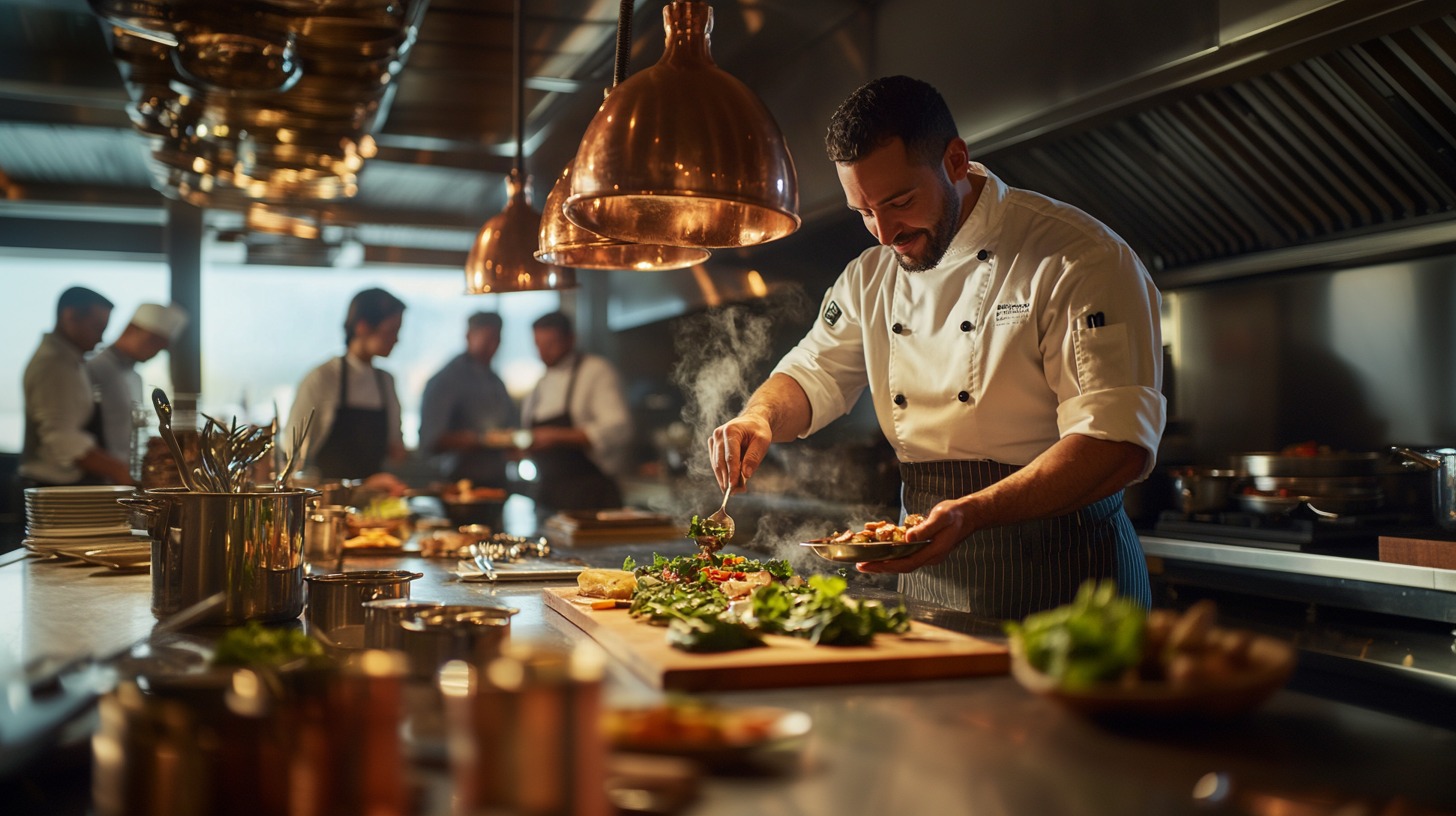
The crystal chandelier cast a warm glow over the dining room as the executive chef surveyed his domain. What had once been a traditional clubhouse restaurant serving predictable fare was now buzzing with the energy of culinary innovation. Members were raving about the farm-to-table tasting menu, wine cellar experiences had tripled in bookings, and the food and beverage operation had transformed from a cost center into a significant profit driver. This transformation represents a broader revolution sweeping through private clubs nationwide, a culinary culture shift that is redefining the very essence of club dining experiences.
The Technology-Driven Kitchen Evolution
Private club kitchens are embracing cutting-edge technology to enhance both operational efficiency and culinary creativity. Smart kitchen equipment, integrated inventory management systems, and AI-powered recipe optimization are becoming standard fixtures in progressive clubs. According to McKinsey & Company (2024), 60% of operational tasks in the hospitality sector could be automated, unlocking both efficiency and personalization. This automation extends beyond basic operations to sophisticated wine cellar management systems that track inventory, suggest pairings, and predict member preferences based on historical data. Digital menu platforms allow chefs to update offerings in real-time, showcase seasonal ingredients, and provide detailed nutritional information.
The integration of these technologies is not just about efficiency, it is about creating space for culinary creativity. When mundane operational tasks are automated, chefs can focus on crafting extraordinary dining experiences that justify the premium positioning private clubs maintain in an increasingly competitive marketplace. Temperature monitoring systems ensure optimal food safety while reducing waste, and automated ordering systems streamline procurement, freeing the culinary team to focus on the member experience rather than managing around outdated infrastructure.
Elevating Service Standards Through Staff Development
The culinary revolution extends far beyond the kitchen, encompassing comprehensive staff training programs that elevate service standards throughout the dining operation. Progressive clubs are investing in sommelier certifications for beverage staff, providing culinary education opportunities for servers, and implementing comprehensive wine service training programs. Staff members are trained not just to take orders, but to become culinary ambassadors who can tell the story behind each dish, explain wine pairings, and accommodate specific dietary requirements with sophistication.
Bay Colony Golf Club in Naples, Florida demonstrates what this investment looks like at the highest level. The club’s culinary program is led by a Certified Executive Chef paired with an Advanced Sommelier, a dual-expertise model that sets what members themselves describe as the standard for fine dining in Naples. Menus change weekly and dinner menus are reimagined every month to keep regular members engaged, while the wine program is designed to serve both sophisticated collectors and members who are earlier in their wine journey. The result is a service team capable of engaging every member at the right level, turning each visit into an educational and social experience as much as a meal.
Farm-to-Table and Sustainable Sourcing Initiatives
Sustainability has become more than a trend, it is a fundamental shift in how private clubs approach their culinary operations. Many clubs are establishing relationships with local farms, creating on-site gardens, and implementing comprehensive sustainability programs that resonate with environmentally conscious members. Sustainable seafood programs ensure responsible sourcing while educational initiatives help members understand the environmental impact of their dining choices. These initiatives also enable chefs to showcase seasonal ingredients at their peak, creating dynamic menus that keep the dining experience fresh for members who dine at the club multiple times per week.
Brier Creek Country Club in Raleigh, North Carolina has made farm-to-table sourcing a defining pillar of its culinary identity. Executive Chef Trenton Shank, a 2025 NCRLA Chef Showdown finalist, sources directly from trusted regional producers including Lyons Farm, Goodnight Brothers, and Boxcarr Creamery, and describes the approach as being intentional not just about the ingredient itself, but about the months of planning and partnership behind it. Shank developed this philosophy while running the kitchen at Fess Parker Winery, where he farmed and harvested ingredients on-site daily, and has formalized it at Brier Creek through active farm alliances that keep the menu rooted in what the region produces at its best.
Wine Cellar Innovation and Beverage Program Excellence
The wine cellar has evolved from a simple storage space into a sophisticated revenue center and member engagement tool. Modern club wine programs incorporate temperature-controlled storage systems, digital inventory management, and curated tasting experiences that create new revenue streams while enhancing member satisfaction. Progressive clubs are hosting wine dinners, sommelier-led tastings, and educational events that transform the cellar into an active social space. Innovative clubs are partnering with wineries to create exclusive club labels, offering members unique wines unavailable anywhere else.
55 Seventy in Dallas has built its entire identity around this philosophy. Named for the ideal storage conditions of 55 degrees and 70% humidity, the 8,500-square-foot private club dedicates nearly half its space to concierge-style private cellar storage, offering members nearly 800 wine lockers alongside a wine brokerage service for rare and allocated bottles at below-market pricing. Members enjoy over 100 free wine tastings per year, chef-led dinners by Executive Chef Josh Sutcliff, and a house cellar list available without traditional restaurant markups. The model has proven so compelling that a second location is planned for Houston, with a standalone demonstration kitchen and a broader calendar of interactive educational events.
Creating Memorable Culinary Experiences and Events
Successful clubs understand that dining is about creating experiences, not just serving meals. This philosophy drives the development of signature culinary events, themed dinners, and interactive cooking experiences that transform the dining room into a stage for memorable moments. Chef’s table experiences allow members to observe culinary artistry up close while enjoying personalized menu presentations. Cooking classes led by executive chefs create opportunities for member engagement while generating additional revenue streams.
Seasonal celebrations, holiday traditions, and special occasion menus create anticipation and give members reasons to return regularly. Some clubs host farm dinners at partner locations, vineyard trips, and culinary tours that extend the club experience beyond the property boundaries. These experiential offerings differentiate clubs from restaurants and justify membership fees by providing exclusive access to unique experiences. When executed properly, these programs become powerful marketing tools, generating word-of-mouth referrals and strengthening member retention through shared experiences that create lasting memories.
The culinary culture revolution represents more than operational improvements, it is a strategic transformation that positions private clubs for sustainable growth in an evolving marketplace. From technology-enabled kitchens to immersive wine experiences, clubs that embrace this revolution create competitive advantages that extend far beyond the dining room. The investment in culinary excellence pays dividends through increased member satisfaction, improved retention rates, and enhanced revenue generation. At Private Club Marketing, we understand the intricate balance between tradition and innovation that defines successful club transformations. Contact us today to discover how we can help your club navigate this culinary revolution and create dining experiences that elevate your member value proposition while driving sustainable financial performance.
- McKinsey & Company (2024), The State of Tourism and Hospitality 2024
- CMAA (2024), Club Leader’s Perspective Survey 2024
- NCA, CMAA & Club Benchmarking (2024), Private Club Industry Economic Impact Report
- Growth Market Reports (2024), Private Club Industry Market Analysis