
Every club manager knows the paradox of food and beverage: it accounts for roughly 30% of total club revenue, yet the majority of clubs — consistently 70 to 75% by Club Benchmarking data — subsidize their F&B operation. For decades, boards have treated F&B as a necessary amenity — a cost center to be managed, not a growth engine to be optimized. But a quiet revolution is underway at clubs that have figured out how to flip the script, and the secret weapon is surprisingly simple — take the dining experience outside.
Outdoor dining isn’t just a nice perk anymore. It’s becoming the single highest-impact investment a club can make in its F&B program. Industry estimates suggest restaurants adding outdoor seating can see revenue increases of 10 to 30 percent, and 55% of Americans say they prefer to dine outdoors when the weather is nice, according to a 2025 OpenTable survey. For private clubs — where member satisfaction drives retention, referrals, and everything in between — the implications are massive.
The Outdoor Dining Advantage
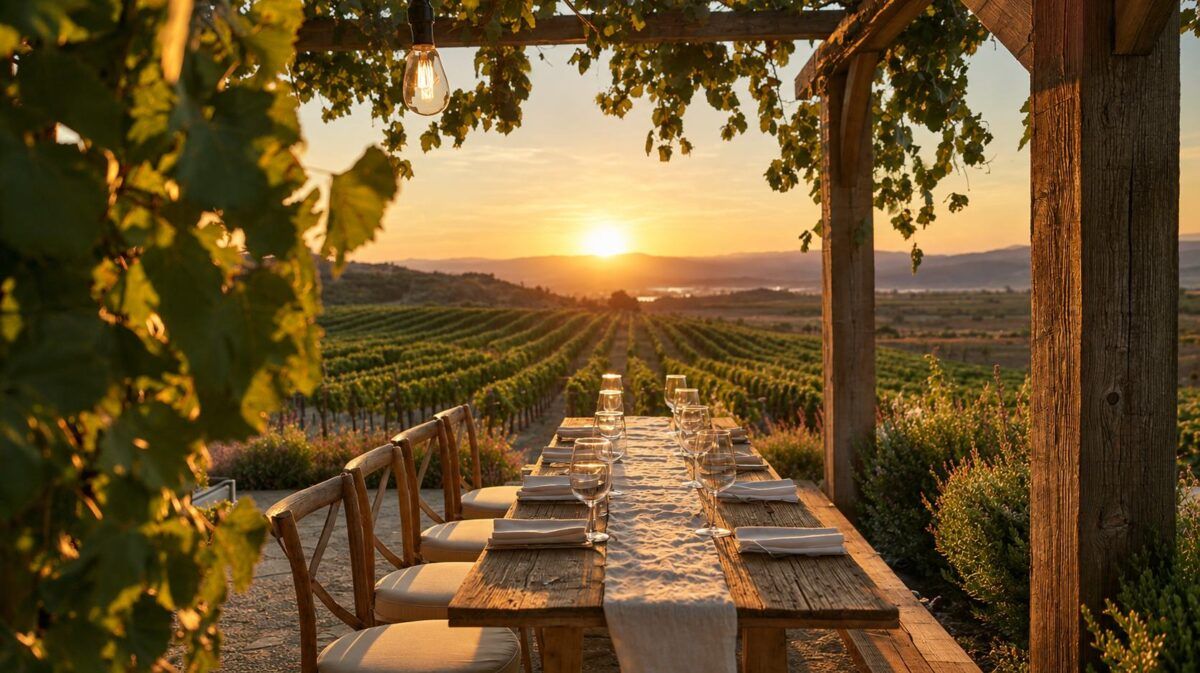
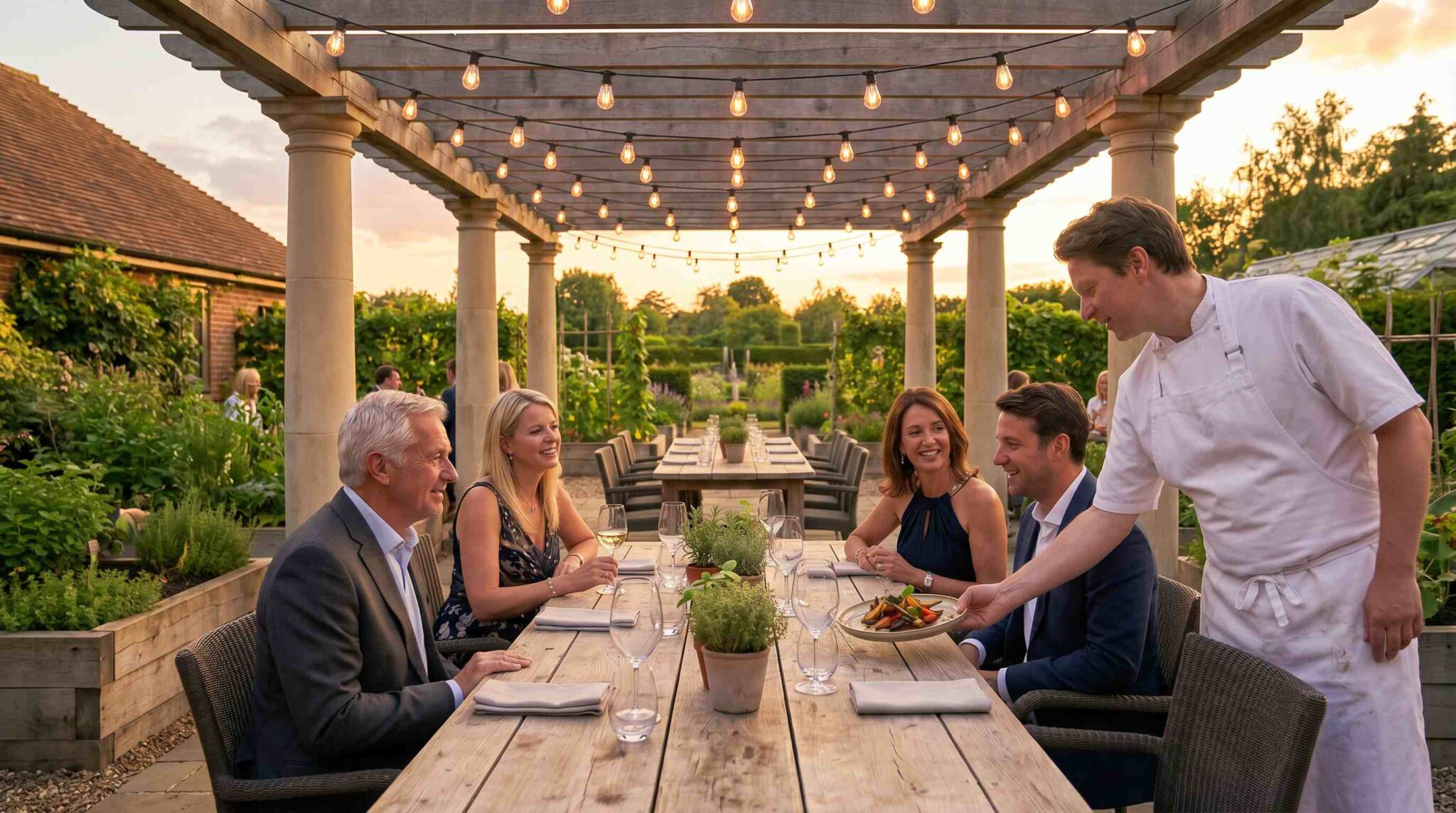
The math behind outdoor dining is compelling. Adding a patio, terrace, or poolside venue expands your seating capacity without the capital cost of a building expansion. You’re creating incremental covers using space that already exists on your property — and covers that members actively prefer. Congressional Country Club in Bethesda, Maryland — currently ranked the #1 Platinum Club of America country club for 2025–2026 — understands this instinctively. The club’s Founders’ Pub seats roughly 92 in the dining room and 20 at the bar, with another 56 combined covers across two adjacent outdoor terraces. In summer months, those terraces aren’t overflow seating. They’re the first tables to fill. The key is treating outdoor dining as a designed experience, not an afterthought. That means investing in quality furniture, proper shade structures, ambient lighting, and — increasingly — dedicated outdoor kitchens that can produce food at the same quality as the main kitchen without the logistical headaches of running plates across a parking lot.30%
Average F&B contribution to total revenue at private clubs — the second largest line behind dues
Club Benchmarking
Farm-to-Table Is No Longer Optional
If there’s one F&B trend that has moved from novelty to expectation at private clubs, it’s farm-to-table sourcing. Members who pay premium dues expect ingredients that match the exclusivity of their membership — and they want to know where their food comes from. Medinah Country Club outside Chicago has built one of the most ambitious farm-to-table programs in the private club world — a program developed over several years by Executive Chef Michael Ponzio, who built it from the ground up beginning with maple trees tapped on the property for fresh syrup. Under Ponzio’s direction, the club added a USDA-certified chicken coop, an organic garden growing dozens of fruits, vegetables, herbs, and edible flowers, and an apiary for on-site honey production. The program continues today under Executive Chef Matthew Gilbert — who brings his own culinary depth, having cooked at Michelin-starred restaurants in France including the three-star kitchen of Jacques and Laurent Pourcel in Montpellier, and worked under Chef Susan Spicer in New Orleans — alongside local and regional farms for additional proteins and produce. This isn’t window dressing. It’s a strategic differentiator. When a member sits down to dinner and the server explains that the herbs in the sauce came from the garden they walked past on the way to the clubhouse, that’s a story no restaurant in town can compete with. It transforms a Tuesday night dinner from a transaction into an experience — and experience-based F&B is what keeps members using the club regularly. That usage matters enormously. Research from McMahon Group — which has completed more than 1,500 membership surveys across the industry — consistently shows that highly satisfied members are more likely to use their club, more likely to rate their membership as good value, and significantly less likely to resign.Lower-End Food Cost %30%
Industry Midpoint35%
Upper-End Food Cost %40%
Typical food cost range at private clubs, per Club + Resort Chef reporting on member-facing operations.
Seasonal Menus That Drive Covers
The clubs generating real excitement around summer F&B aren’t just changing the garnish when June rolls around. They’re building entirely seasonal menus that create urgency — dishes available only during summer months, featuring peak-season ingredients that disappear when fall arrives. Farmington Country Club in Charlottesville, Virginia — a Platinum Club at the foot of the Blue Ridge Mountains, recognized by Club + Resort Chef as the #1 club culinary experience in America in 2022 — exemplifies this philosophy. Executive Chef Michael Matarazzo, in the role since 2014 and a firm believer in local and sustainable ingredients, brings a competition-level culinary background to a program that prioritizes seasonal sourcing from the region’s rich agricultural landscape. Their Chef’s Table experience — an exclusive six-course dinner for up to ten guests seated inside the kitchen — showcases this philosophy at its most refined. Members don’t just eat; they watch the Executive Chef and Executive Pastry Chef personally design, prepare, and serve each course in real time. This kind of programming does double duty. It drives F&B revenue directly through premium pricing — Chef’s Table dinners at clubs typically command $125 to $200 per person before wine — and it creates social currency. Members talk about these experiences. They bring guests. And those guest visits are one of the most reliable pipelines for new member referrals in the industry.The Poolside F&B Opportunity
Poolside food and beverage is the single most underoptimized revenue stream at most clubs. Too many operations treat the pool snack bar as a concession stand — prepackaged chips, lukewarm hot dogs, and a soda fountain. Members tolerate it because they’re at the pool with their families, but they’re not excited about it, and they’re certainly not spending. The clubs getting poolside F&B right are treating it like a restaurant venue with a pool view. That means a real menu with fresh preparations — think poke bowls, grilled fish tacos, charcuterie boards, and craft cocktails — served by trained staff to members at their chairs. The upgrade from “snack bar” to “poolside dining” isn’t just semantic. Covered outdoor dining and bar areas consistently rank among the most popular and in-demand F&B concepts when clubs plan new or renovated facilities, according to McMahon Group’s dining master plan research. The economics are straightforward. A family that spends $12 at a snack bar will spend $80 to $120 at a poolside dining venue without blinking — especially when craft cocktails and a wine-by-the-glass program are part of the offering. Multiply that across a summer season’s worth of weekend pool days, and the revenue impact is substantial.$45–65
Typical à la carte dinner cover at a private club
Daily dining
$80–120
Family spend at a poolside dining venue vs. $12 at a traditional snack bar
Poolside upgrade
$85–125
Per-person pricing for member cooking classes
Programming
$125–175
Wine dinner pricing per person — events that consistently sell out
Wine program
$150–200
Chef’s Table experiences before wine pairings
Premium
10–30%
Revenue lift restaurants typically see when adding outdoor seating
Industry estimate
Wine Programs as a Revenue Multiplier
A well-designed wine program does more than fill glasses — it creates an entire category of programming that drives F&B revenue throughout the summer season. Wine dinners, vineyard-themed events, sommelier-led tastings, and winemaker visits give clubs a recurring calendar of premium experiences that members pay top dollar to attend. The Union League of Philadelphia has long been recognized for the caliber of its culinary program. The club’s rooftop restaurant, Trumbauer’s — featuring 150 seats with panoramic city views and wood- and coal-burning ovens and grills — represents the kind of bold F&B investment that transforms dining from a member amenity into a genuine destination. When your club’s dining program is exceptional enough to stand on its own, wine programming becomes the multiplier that turns a $75 dinner into a $150 evening. Wine dinners typically run $100 to $175 per person at private clubs, and they consistently sell out — often within hours of announcement. The margins are strong because wine purchased for events at wholesale is served at a significant markup. But members don’t feel nickel-and-dimed because the experience — the education, the pairings, the social atmosphere — justifies the price.Staffing the Summer Surge
None of this works without the right people, and summer staffing is arguably the biggest operational challenge in club F&B. The seasonal spike in demand — poolside service, outdoor dining, banquets, wine dinners, cooking classes — requires a staffing model that can scale rapidly without sacrificing service quality. The most successful clubs build their summer staffing strategy around a core of returning seasonal workers who already know the facility, the members, and the service standards. These returners require minimal training and set the tone for new hires. Some clubs have also turned to J-1 visa cultural exchange programs, which provide a reliable pipeline of motivated international hospitality workers for the peak season. Cross-training is essential. A server who can work the dining room on Wednesday, the pool deck on Saturday, and a wine dinner on Sunday gives the F&B director flexibility that single-role staffing simply can’t match. And competitive compensation matters — seasonal workers who feel valued complete their commitments and come back the following year, which solves next summer’s staffing problem before it starts.$32.6B
Direct revenue generated by private clubs in 2023 — a $1.3 billion category-leader for hospitality
2024 CMAA / NCA / Club Benchmarking Economic Impact Report
Event-Driven F&B Revenue
The clubs that have cracked the code on F&B profitability share one trait: they’ve moved beyond daily dining as their primary revenue model and invested heavily in event-driven programming. Cooking classes, chef’s table experiences, themed dinners, holiday brunches, and member-guest culinary competitions create high-margin revenue events that fill the calendar and give members reasons to visit the club beyond their regular routine. Medinah’s competition-grade Yoder smoker program — launched in early 2020 under Executive Chef Matthew Gilbert and now featured across all club restaurants and dozens of standalone events annually — is a perfect example. What started as a single piece of equipment became an entire programming category. Smoking demonstrations, barbecue competitions, and smoked-meat themed dinners create engagement that no amount of daily menu optimization could achieve. The financial logic is compelling. A typical dining cover at a private club could generate $45 to $65 per person, with similar pricing seen for private dining events in the hospitality industry. Wine dinners generally range from $125 to $175 per person, and a chef’s table experience can command $150 to $200 per person, aligning with industry trends for premium dining experiences. Cooking classes often fall within the $85 to $125 range, while poolside dining can increase spending to $80 to $120, reflecting the shift to higher-end, full-service offerings at private clubs.Rethinking F&B Minimums
F&B minimums remain one of the most debated policies in club management. Monthly or quarterly spending requirements — typically ranging from $50 per month to several thousand dollars per year — guarantee a baseline of F&B revenue but can also create resentment among members who feel coerced into spending. The trend among forward-thinking clubs is to make minimums feel less like a tax and more like a benefit. Some clubs are expanding what counts toward the minimum — allowing takeout orders, marketplace purchases, and event attendance to qualify. Others have shifted to quarterly or annual minimums instead of monthly ones, giving members flexibility to concentrate their spending around the events and experiences they actually want. The most sophisticated approach is to build an F&B program so compelling that minimums become irrelevant — members spend well beyond the threshold because they genuinely want to dine at the club. When your summer F&B program includes farm-to-table poolside dining, sold-out wine dinners, and a terrace with the best sunset view in town, the minimum isn’t a problem to solve. It’s a non-issue.Building Your Summer F&B Strategy
The clubs that will win the summer F&B season aren’t the ones with the biggest kitchens or the most expensive renovations. They’re the ones that think about outdoor dining as a designed experience, treat seasonal menus as a strategic tool for driving engagement, invest in programming that transforms meals into events, and staff their operations with people who come back year after year. Food and beverage may never be a profit center for most clubs — and that’s fine. But when F&B drives member satisfaction, increases club usage, generates referrals, and reduces attrition, the return on investment extends far beyond the P&L statement. In an industry that generated $32.6 billion in direct revenue in 2023, the clubs that figure out summer F&B will be the ones that capture more than their share.Free Download
The 2026 Private Club Benchmark Report
The membership, amenity, and pricing data reshaping private clubs — from a 1,200-club analysis. Enter your details and we'll send it to your inbox.