
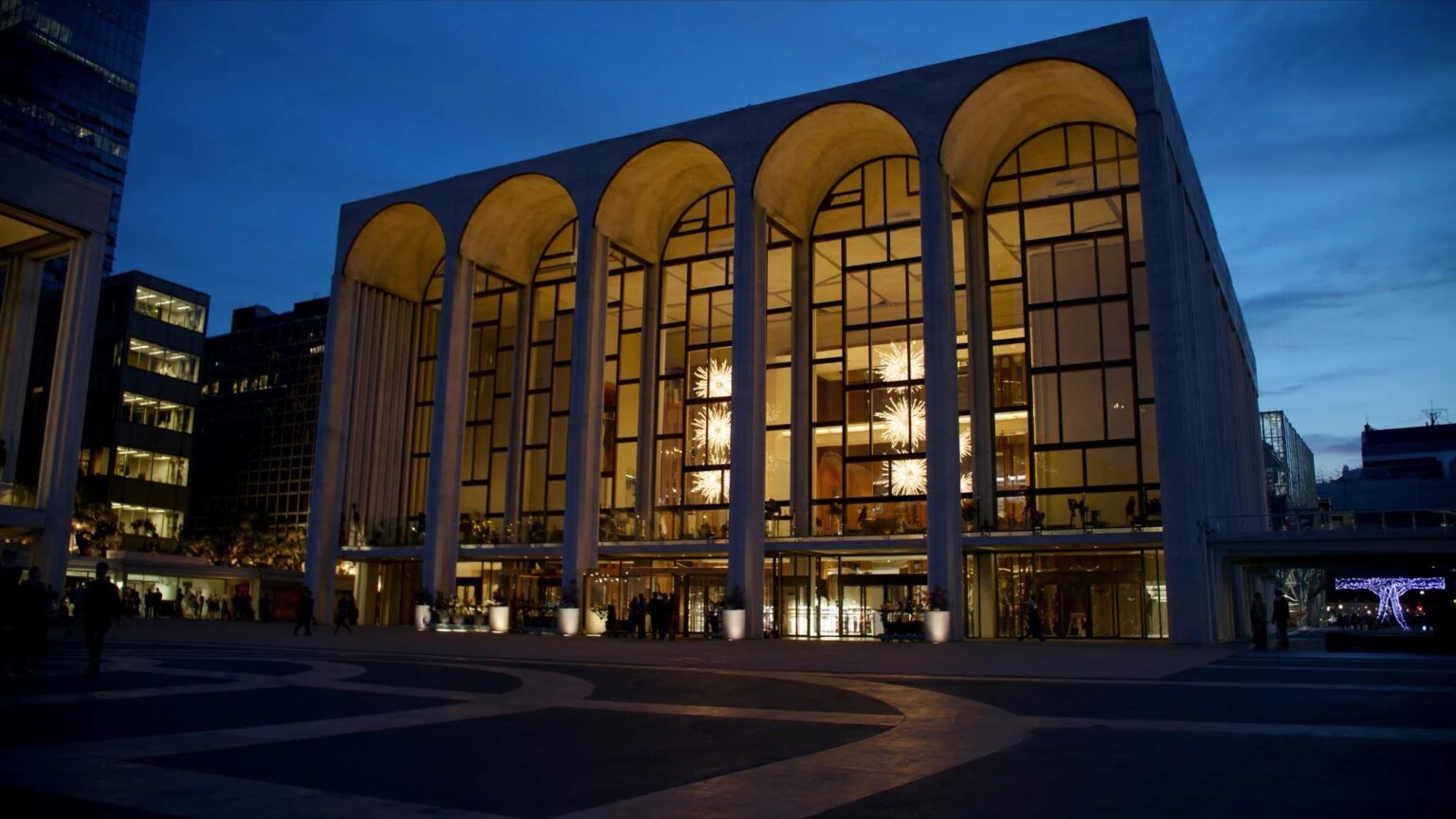
On Tuesday, September 22, the Metropolitan Opera opened its 2026–27 season with its Opening Night Gala and a new production of Verdi’s Macbeth starring Lise Davidsen and Quinn Kelsey — one of New York’s signature fall traditions and, for many members, the unofficial start of the social season. Other cultural institutions follow with season-opening benefits of their own in the weeks after, and the best city club events fall squarely into this window, when the institutions your members already support generate exactly the occasion-driven energy clubs exist to capture.
Clubs that treat gala season as something happening elsewhere will watch members disappear into it. Clubs that build their fall calendar around it become the pre-theater dinner, the post-gala nightcap, the place where the season gets discussed. That’s the difference between a club adjacent to the cultural calendar and one that owns a piece of it.
There’s also a performance gap worth closing: GGA Partners’ Club Leader’s Perspectives Report (August 2024) found club leaders rated their year an average 8.11 out of 10, while city and athletic clubs posted the lowest score by club type at 7.8. The clubs trailing their golf-and-country peers are also the ones best positioned, by location, to monetize the cultural season. Programming is the lever.
Deloitte’s Global Powers of Luxury 2026 report describes social platforms as now operating “simultaneously as both cultural hubs and commercial channels.” The photo of the dining room dressed for opening night, the clip of the season-preview talk, the shot of members departing for Lincoln Center — this is the content that tells prospective members what belonging looks like. A club that runs a brilliant gala-season calendar and posts none of it has done half the job:
Why City Club Events Fall Squarely in City Clubs’ Favor
City and athletic clubs occupy a distinct spot in the industry. Per the Club Benchmarking CMAA Economic Impact Report (2024), of the 3,887 private clubs in the U.S. with revenue over $1 million, 9 percent are city/athletic clubs — a small segment concentrated in the urban cores where major cultural institutions are based. The same report finds that private clubs in the Northeast alone supported 1,012 clubs employing 140,000 people and generating $3.8 billion in payroll, with average pay running 1.23 times the regional BLS median of $44,200. These are serious hospitality operations, and city clubs among them sit downtown, often within easy reach of their cities’ leading cultural venues — proximity a country club thirty miles out simply can’t match.1,012
Clubs in the Northeast
140,000
People employed
$3.8B
Payroll generated
1.23x
Pay vs. regional BLS median
Club Leader Satisfaction Score by Club Type
Inside the Ritual: What the Metropolitan Opera Club Already Proves
No club has to imagine what “owning” opening night looks like. The Metropolitan Opera Club, founded in 1893, is a private club located on the Dress Circle level of the Metropolitan Opera House, with its own dining room, bar, and club boxes. According to the club, it is open for approximately 100 performances each Met season and hosts gala dinners to mark the opening and closing of every season. Its dress code — black tie for evening performances, with white tie requested for premieres, galas, and certain Monday nights — has earned members the nickname “the Penguins.” Founded as a men-only club, it has admitted women as full members since the early 1980s, and today it offers four membership classes — Subscribing, Associate, Junior, and Non-Resident Associate — with Junior members required to be under 37 at the time of their election. It’s proof that an institution built around one cultural anchor can still evolve with its membership. The lesson isn’t the address inside the opera house; it’s the discipline. The Met Opera Club didn’t attach itself to opening night as a marketing stunt — it made the season’s rhythm part of the club’s identity, marking every season’s opening and close. Pick the institution, then build the calendar so gala season reads as something your club does every year, not something it tries once.The Explorers Club Lesson: Institutional Prestige Is the Draw
In our recent look at the Explorers Club, we argued that club audiences respond to institutional prestige — the sense that a club is a genuine node in a city’s cultural life, not just a dining room with a dress code. The Met’s Opening Night operates in the same register: nobody attends because they need dinner and Verdi; they attend because the evening confers belonging in an institution now in its 141st season. City clubs can borrow that register without borrowing a dime of the Met’s budget:- Pre- and post-event programming. A pre-curtain dinner with an early seating and car service to Lincoln Center, and a late-night supper for members returning from the gala. The club doesn’t compete with the event — it frames it.
- Insider access as content. A season-preview evening with a critic or company member — the “business salon” model applied to culture, at the cost of a speaker fee.
- Watch-party counter-programming. The Met’s Live in HD series marks its 20th anniversary this season, with Macbeth transmitted to cinemas on October 17. A screening or a themed dinner keyed to the repertoire keeps non-gala-goers inside the moment, and inside the club.
- Reciprocal relationships. Partnerships with opera guilds and museum young-patron programs put the club on the itinerary of exactly the prospects it wants.
Not Just New York: The Gala-Season Playbook Across the Country
New York doesn’t have a monopoly on this model. In San Francisco, San Francisco Opera and the San Francisco Opera Guild co-present Opera Ball, the company’s annual opening-night benefit: a reception and dinner at City Hall, then the season-opening performance across the plaza at the War Memorial Opera House. This year shows how much rides on a single night. Opera Ball 2026 was moved from September 12 to November 12 amid orchestra contract negotiations; a musicians’ strike then cancelled the September 12 opening of Verdi’s Simon Boccanegra; and after a tentative agreement, the company’s 104th season opened on September 22 — the same night as the Met’s gala. Any city club in a market with a resident opera or symphony can build a version of this civic ritual, and San Francisco’s season is a reminder to keep that programming flexible enough to move with its institutional partner. Other clubs prove the model doesn’t need a single marquee night. The Union League Club of Chicago‘s Art Committee presents monthly exhibitions of emerging and mid-career Chicago artists in the club’s Third Floor Gallery, alongside the Luminarts Cultural Foundation — founded by club members in 1949 as the Union League Civic & Arts Foundation — which, per Luminarts’ own program terms, awards unrestricted $10,000 core fellowships to Chicago-area artists aged 18 to 30. The Duquesne Club in Pittsburgh runs six special-interest societies — Wine, Art, Rod & Gun, Literary, Culinary, and Beer — and, per the Duquesne Club’s own membership materials, hosts more than 125 member events a year, spreading cultural and social energy across the calendar rather than staking everything on one night. There’s a version of this playbook that fits almost any city club’s resources.Gala Season Is a Generational Bridge — If You Build It That Way
Here’s the finding membership directors should pin above their desks: GGA Partners’ Club Leaders Perspectives 2025 report found 75 percent of club leaders agree younger and older members desire to socialize across generations. What’s missing, in GGA’s words, is proactive facilitation — the report recommends strategic development of a social calendar designed to foster balanced generational participation. Cultural programming does this naturally. Picture a senior member with Met subscription seats since the 1980s and a 34-year-old member discovering opera through the young-patron circuit: they have something genuine to talk about. Structure the season accordingly:- Pair long-tenured subscribers with younger members as informal hosts at pre-performance dinners.
- GGA’s 2025 recommendations list pay-per-use social events among the flexible membership options that let members pay only for what they use — a model clubs can apply by pricing a tier of cultural events for under-40 members on a per-event basis, lowering the barrier for members who won’t commit to a full season.
- Let the young-members committee program one marquee night of the fall calendar themselves, with the club’s institutional partners.
The Season Happens on Social, Too
Opening night doesn’t end when the curtain falls; it ends when the last photograph is posted. The 2025 Sprout Social Index found 90 percent of consumers use social media to keep up with cultural moments — more than any other source, including friends and family at 66 percent. The relevance your club builds in the room is invisible unless it’s translated online.90%
Via social media
66%
Via friends & family
- Shoot every cultural event with the care you’d give a membership brochure. Opening-night energy is one of your strongest recruitment assets.
- Tag and credit institutional partners. Their audiences — patrons, young members, board circles — are your prospect pool.
- Respect privacy norms. Photograph the room and the departure, not member faces without consent, and let the atmosphere do the recruiting.
Free Download
The 2026 Private Club Benchmark Report
The membership, amenity, and pricing data reshaping private clubs — from a 1,200-club analysis. Enter your details and we'll send it to your inbox.