Florida’s ten highest-revenue member-owned clubs, ranked from their own Form 990 filings. Boca West leads at $95.1 million, and the top ten grew 60 percent from fiscal 2019 to 2024.

 Private Club Marketing
Florida’s ten highest-revenue member-owned clubs, ranked from their own Form 990 filings. Boca West leads at $95.1 million, and the top ten grew 60 percent from fiscal 2019 to 2024.

Form 990 filings from 1,382 clubs show expenses up 38.1% since 2019. Revenue kept pace, but costs outgrew revenue at nearly half of clubs last year.
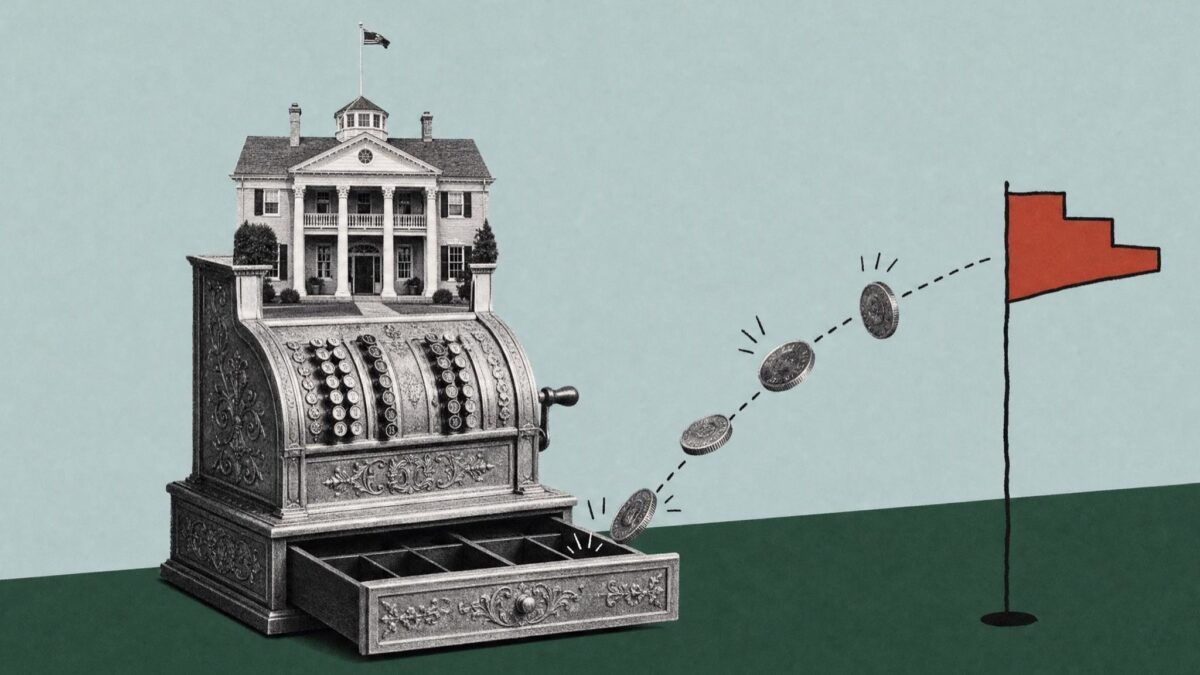
Private clubs run on two ledgers: dues carry daily operations, while initiation fees and assessments fund buildings and courses. Here is how each revenue stream works, with sourced industry data and examples from Boca West, Jacksonville Golf & Country Club, Carolina Golf Club, and The Club at Forest Ridge.

Whether a private club is worth it depends on usage, life stage, and fit; here is a cost-per-use framework and a trial checklist to decide.
What a country club membership really costs: initiation, dues, minimums, assessments, and the under-40 tier most clubs don’t advertise.

Private clubs reported $1.45 billion in initiation fees and capital contributions on fiscal 2024 Form 990s. In a constant 864-club panel, fee income grew 64.8% in five years, outpacing revenue.
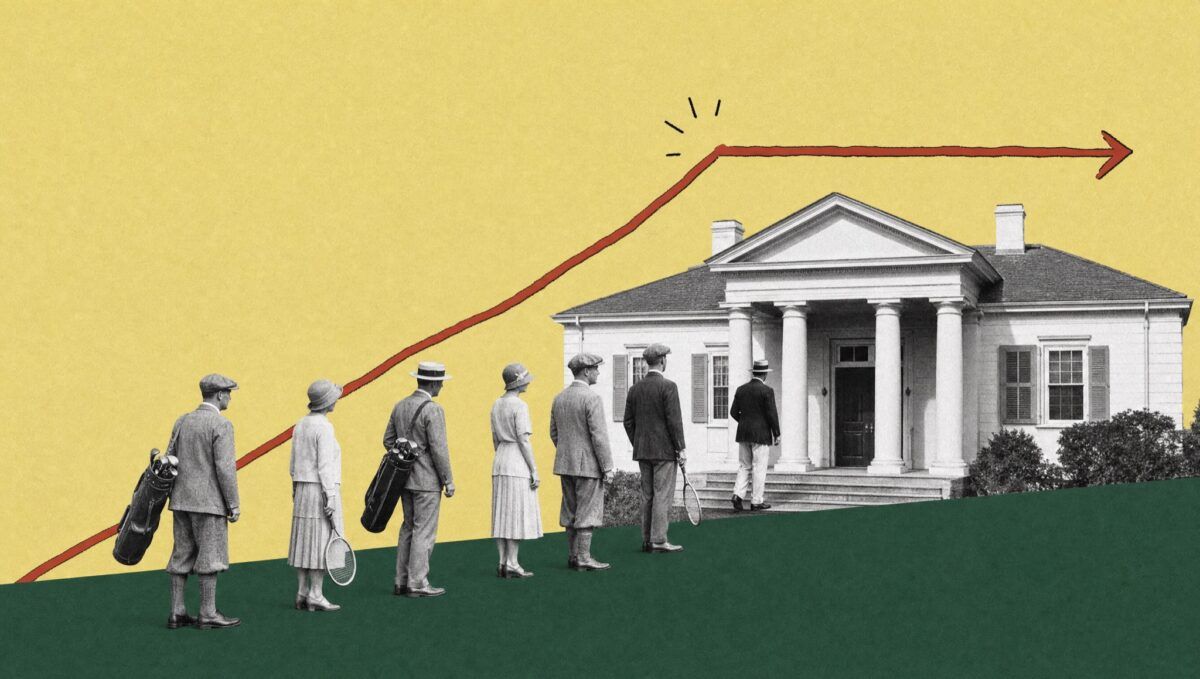
Private clubs are still booming in 2026, but the peak has passed. NGCOA data shows 58% of private clubs grew membership, while GGA Partners finds waitlists have stopped lengthening and smaller clubs are seeing softer demand. Here is what the sourced numbers say, and what they mean for membership marketing.

The Laver Cup’s escalating-points scoring solves the exact problem that kills most fall tennis leagues: matches that stop mattering by week six. Here’s how to run a capped, team-format finale on Laver Cup rules — and why the waitlist you generate matters more than the event itself.

Where New York’s private clubs host live music and DJ nights, what membership costs, and how non-members can get in. Every entry sourced.

Rolling Stone looks at how private clubs are booking arena-level artists into rooms of a few hundred people. PCM founder Zack Bates weighs in. Here’s what it means for your club.