The recurring-revenue math behind wellness membership—pricing, retention, and how traditional clubs can add wellness as a durable membership driver.

 Private Club Marketing
The recurring-revenue math behind wellness membership—pricing, retention, and how traditional clubs can add wellness as a durable membership driver.

The best social and city clubs don’t sell gyms, dining, or spaces — they sell community, curation, and identity. Here is how they market belonging as the product.
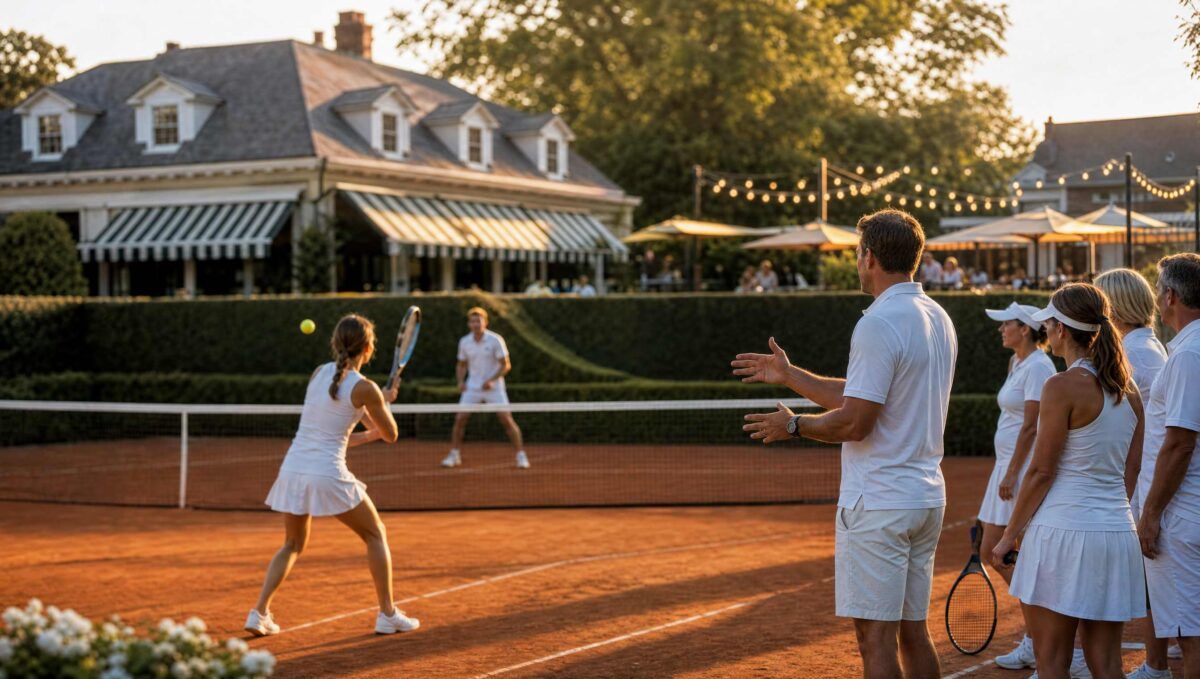
Only 15% of club leaders report tennis capacity concerns — versus 50% for golf and 41% for pickleball. That empty court time is the one unconstrained inventory you have during the week the whole country is watching tennis. Here is how to run US Open Fan Week as a membership acquisition campaign instead of a bar event.

How reciprocity, club networks, and multi-club membership create value, retention, and marketing leverage for golf and country clubs.
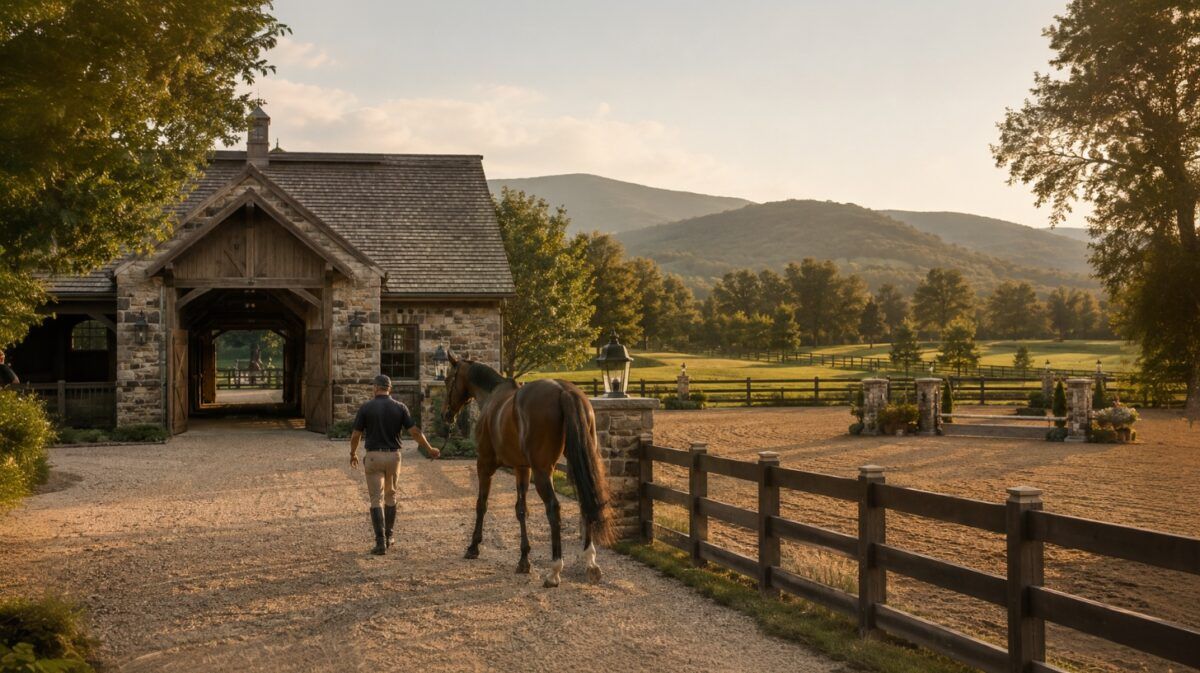
Boarding, training, lessons, clinics, and show hauling make equestrian clubs the most diversified business in private clubs — and the stickiest membership.

How private driving clubs are turning racetracks into real estate, initiation fees, and garage-condo communities for high-net-worth members.

Premium wellness and longevity clubs are the fastest-growing category in private membership. What is driving demand, and what it means for club leadership.

Why urban private social clubs are booming post-remote-work — the new-wave clubs, the legacy houses modernizing, and the membership playbook behind the revival.

No American course has been asked back by the USGA more often than Merion, and the U.S. Amateur 2026 at Merion adds another line to that record. For general managers, the lesson is not about golf — it is about capital discipline, staffing depth, and protecting the one thing members rate above all else.

How full golf and country clubs should market membership, run waitlists, and position dues and initiation fees when demand outpaces supply.